FUNDING GAP: The complex world of anti-doping politics makes it harder to catch cheats
While the public dispute between the World Anti-Doping Agency and the United States Anti-Doping Agency continues, South Africa is confronting its own challenges as fewer tests and growing athlete anxiety test confidence in the system.
While the public dispute between the World Anti-Doping Agency and the United States Anti-Doping Agency continues, South Africa is confronting its own challenges as fewer tests and growing athlete anxiety test confidence in the system.
A few weeks ago, the Enhanced Games, a sporting competition that allowed the use of banned performance-enhancing substances, took place. While it did not have the desired effect its stakeholders were hoping for, it did spark a conversation around the state of global anti-doping efforts and systems.
At the forefront is the ongoing tension between the World Anti-Doping Agency (Wada) and the United States Anti-Doping Agency (Usada). These two groups have been at odds for several years, with no signs of repair.
The dispute centres largely on Wada’s handling of two of the most significant doping controversies of the past decade and a half: Russia’s state-sponsored doping programmes and the controversial Chinese swimmers case.
According to Travis Tygart, chief executive of Usada, Wada has had a “questionable track record when it comes to holding countries and athletes accountable to the same rules and standards” and that it needs to get its “house in order”.
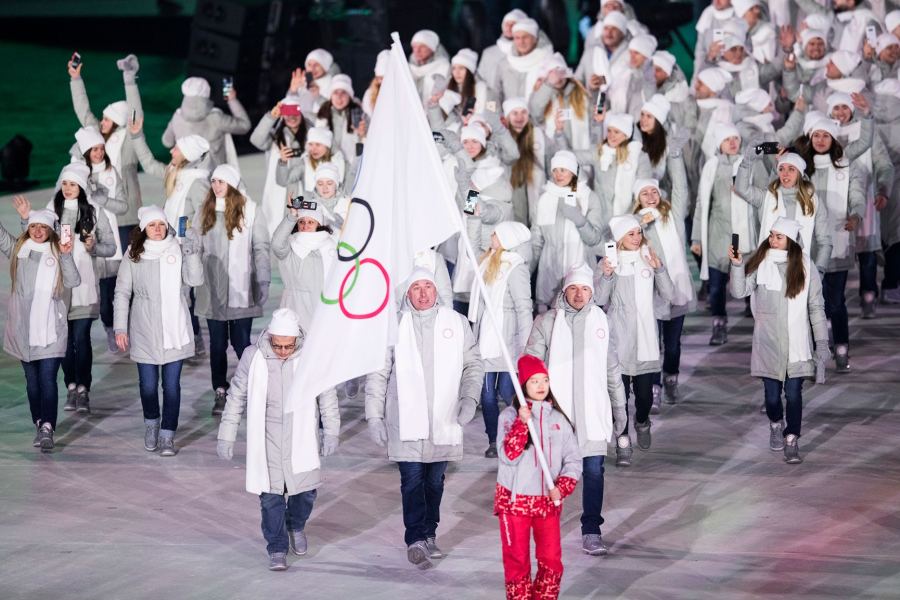
In 2016, a report came out that Russia operated a state-sponsored doping programme from 2011, including the build-up to London 2012, and continued through the 2014 Sochi Winter Olympics up until August 2015.
The report claimed that more than 1,000 Russian athletes, including a number of Olympic medallists, benefited from the Russian sports ministry’s calculated manipulation of urine samples.
“In that devastating Russian affair, which is still ongoing, Wada hoped to simply limit the damage and pacify Russia,” Tygart told Daily Maverick. “Wada supplied excuse after excuse for not uncovering Russia’s drug programme earlier and then leaned on technical justification for its failure to handle it ‘effectively’.”
Then in 2021, 23 Chinese swimmers tested positive for trimetazidine (TMZ) months before the Tokyo Olympics began in July. Wada was notified in June 2021 of the Chinese anti-doping organisation’s decision to accept that the swimmers were exposed to the substance through contamination from spice containers in the kitchen of a hotel they were staying at.
According to Wada, it had no evidence to challenge the scenario.
Consequently, in February, US President Donald Trump signed into law a provision that withholds the US’ annual dues of $3.6-million to Wada. The US also withheld its 2024 dues under the Biden administration.
“Usada is working closely with the US govern
📌 Kaynak
Bu özet Daily Maverick (ZA) kaynağından otomatik derlenmiştir. Tamamı için orijinal habere gidin.
Orijinal haberi oku →