জ্বর, টমেটোভর্তা আর আত্মগ্লানির গল্প
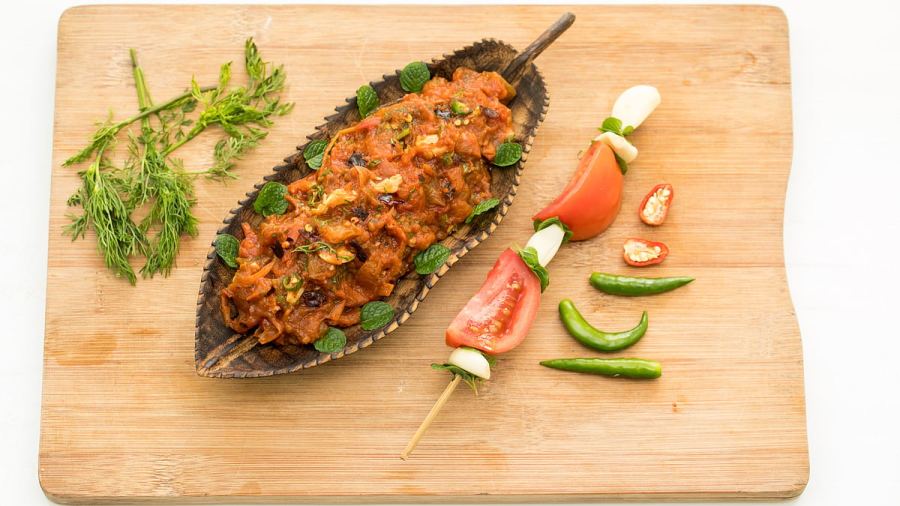
তখন স্কুলে পড়ি। জ্বর হয়েছিল খুব। সে সময় জ্বর হলে কম্বল চাপা দিয়ে শুয়ে থাকতে হতো, নো গোসল, নো ভাত (কী আশ্চর্য, উল্টে গেছে চিকিৎসা। জ্বর বেশি হলে এখন সোজা স্নানঘরে নিয়ে ঝরনার নিচে দাঁড় করিয়ে দেয়, উঠে গেছে ভাতের নিষেধাজ্ঞা)। জীবনে জ্বরও কম হয়নি, আর ভাত তো ৩৬৫ দিনই খাই। তবু ভুলিনি সেদিনের কথা। তিন–চার দিনের জ্বরে কাবু। এর মধ্যে শুধু পাউরুটি, স্যুপ, হরলিকস...কাঁহাতক সহ্য হয়? দুপুরবেলা খেয়েদেয়ে সবাই ঘুমিয়েছে। কেউ কেউ বাসার বাইরে, কাজে কিংবা ক্লাসে। আমারও জ্বর একটু কম। ভাতের জন্য মন
A personal anecdote recounts a childhood experience of secretly eating rice and tomato mash while sick with a fever. The author, despite being forbidden from eating solid food, succumbed to a craving for the familiar dish. The act, performed stealthily in the kitchen, led to a brief moment of satisfaction followed by guilt as the fever returned later that day. The author later realized the food likely had no bearing on the fever's recurrence. Another cherished memory involves a breakfast of 'chita ruti' (a type of flatbread) and young chicken curry, a popular dish from the Narsingdi region, enjoyed during childhood visits to their grandfather's house.
This story highlights the enduring power of simple childhood food memories and their connection to comfort and emotional experiences, even when those memories are tinged with a touch of youthful mischief.
📌 Kaynak
Bu özet Prothom Alo (BD) kaynağından otomatik derlenmiştir. Tamamı için orijinal habere gidin.
Orijinal haberi oku →