Budget Battles: Who Controls Pakistan's Finances?
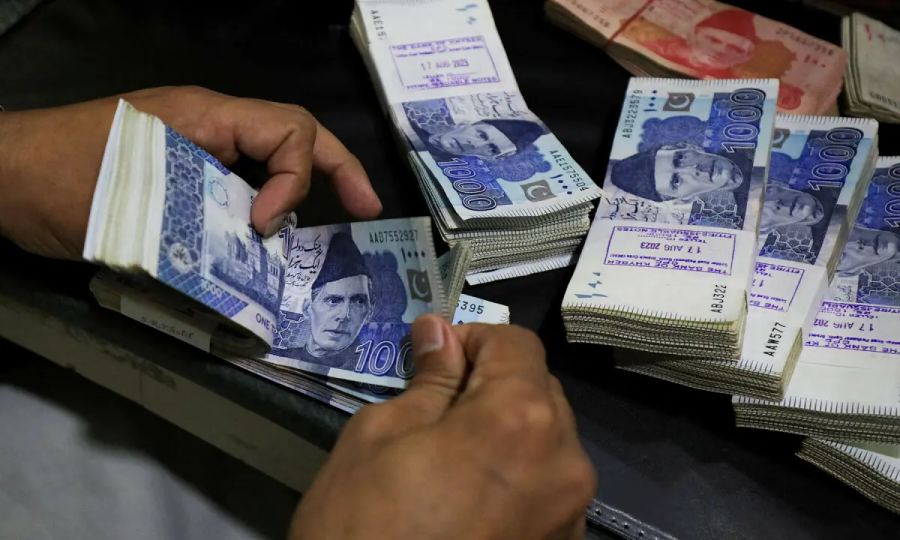
THE budget is a tug-of-war between different interest groups. On one hand, there is explicit lobbying by various business groups and industry bodies that commission reports, hold events and engage policymakers. These organisations, explains Dr Ali Hasanain, associate professor of economics at Lums, also meet political party leaders and bureaucrats in both formal and private settings to communicate their concerns and policy preferences. This is broadly in line with how busines
Pakistan's national budget is shaped by a complex interplay of forces, rather than a single dominant entity. Business groups and industry organizations actively lobby policymakers through reports, events, and direct meetings, a practice common globally. However, in Pakistan, this influence is fragmented, with no single group holding absolute power.
External pressures, notably from the International Monetary Fund (IMF), set broad fiscal targets. Within these parameters, governments often opt for easier revenue-raising methods, such as increasing taxes on existing taxpayers, rather than broadening the tax base. This is exacerbated by a lack of thorough project feasibility studies and challenges with bureaucratic efficiency and political stability.
Understanding the dynamics of budget formation is crucial as it directly impacts national economic policy, resource allocation, and the financial well-being of citizens.
📌 Kaynak
Bu özet Dawn (PK) kaynağından otomatik derlenmiştir. Tamamı için orijinal habere gidin.
Orijinal haberi oku →