INTO THE CATHEDRAL: Echoes of the past: Bafana follow the footsteps of Pelé and Maradona
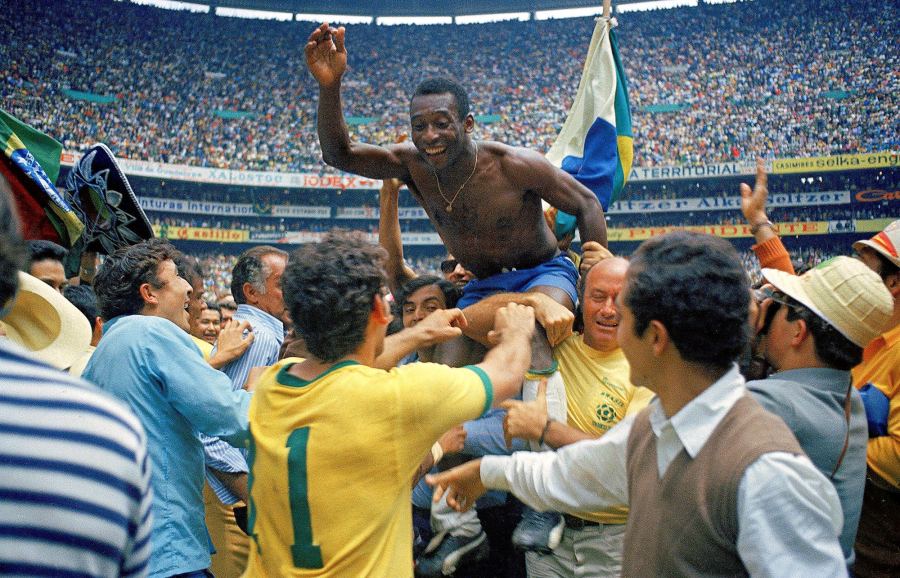
Sometimes it’s as much about the “where” as the “what”. And tonight, at 9pm SA time, Bafana Bafana will take to the pitch at the magnificent and iconic Azteca Stadium in Mexico City to face the hosts in the opening game of the 2026 World Cup.
Sometimes it’s as much about the “where” as the “what”. And tonight, at 9pm SA time, Bafana Bafana will take to the pitch at the magnificent and iconic Azteca Stadium in Mexico City to face the hosts in the opening game of the 2026 World Cup.
Stadiums are constructions of steel, glass, cement and dozens of other substances. They should not have life. They are inanimate objects, plonked on a piece of land to serve the purpose of temporarily housing thousands of people for an event.
But to me as a sportswriter, stadiums are so much more than that. They are not simply structures – they represent joy and despair, hope and success, failure and ignominy.
They provide a backdrop to all of humanity’s best and worst traits and give life to talent. In a sporting context, stadiums are the literal gatekeepers to collective and individual memories, for those who play in them and those who sit in the stands.
Every sports stadium has stories to tell – from superb feats of athletic brilliance and human failure, to the collective joy and sadness of the thousands in the bleachers.
Objectively of course, a stadium is just a structure. But subjectively, emotionally, they are not inanimate objects. They are living, breathing pages of history, constantly adding new chapters.
Ask any Springbok player from 2023 about the Stade de France in Saint-Denis, in Paris’ northern suburbs. The answer will be tinged with a smile and recollections of a place where they will always return with fond memories.
Ask the same question of a French, English or New Zealand player and you might have the opposite reaction. Yes, it’s a piece of turf, roughly 120m long and 70m wide, set inside a concrete bowl of tiers and seats. But it takes on life and meaning because of the athletes who have demonstrated their talents and exposed their fallibilities there, and fans who have cried tears of joy and sadness in response to those feats.
That emotion seeps into the steel and stone. Somehow humanity infiltrates the metal and masonry. Stadiums have institutional memory.
Few stadiums on earth have written more of those chapters than the Azteca. And tonight, a new one begins.
When it comes to the World Cup, no stadium has seen more than the Azteca in Mexico City’s southern suburbs, perched more than 2200m above sea level.
Opened in 1966, in time for the 1968 Olympic Games (although it wasn’t the main stadium of that Olympiad), the Azteca became synonymous with greatness during the 1970 World Cup in Mexico.
That tournament produced many wonderful games, which reached a crescendo in the semi-final an
📌 Kaynak
Bu özet Daily Maverick (ZA) kaynağından otomatik derlenmiştir. Tamamı için orijinal habere gidin.
Orijinal haberi oku →