Friday essay: How to Sell a Genocide exposes the double standards of reporting on Gaza
When the University of Queensland Press cancelled the publication of Wiradjuri poet Jazz Money’s book Bila: A River Cycle because of a blog post by its illustrator, 60 UQP contributors signed a letter of protest . Some declared they would no longer publish with UQP. Fourteen staff members issued a statement decrying “the precedent the University of Queensland has set”. Had HarperCollins, a publisher owned and controlled by the Murdoch family, nixed an Indigenous children’s bo
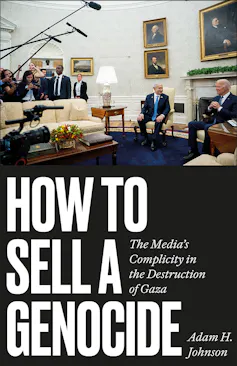
A new book, "How to Sell a Genocide," by Adam Johnson, examines the media's role in reporting on the conflict in Gaza, particularly focusing on the perceived complicity of centrist and progressive outlets. Johnson argues that these outlets have exhibited a double standard in their coverage compared to right-wing media, which openly expresses anti-Palestinian sentiments. The book highlights instances where major news networks, like CNN and MSNBC, reportedly gave more attention to child deaths in the Ukraine war than in Gaza, despite a significantly higher death toll in the latter. This phenomenon is also observed in Australia, where institutions and organizations, even those with progressive leanings, have responded to any association with the Gaza conflict with extreme caution or condemnation.
The book's analysis raises critical questions about media bias and its impact on public perception and the narrative surrounding significant global conflicts.
📌 Kaynak
Bu özet The Conversation AU kaynağından otomatik derlenmiştir. Tamamı için orijinal habere gidin.
Orijinal haberi oku →