What ‘biodegradable’ packaging really means – and 3 key questions to ask about it
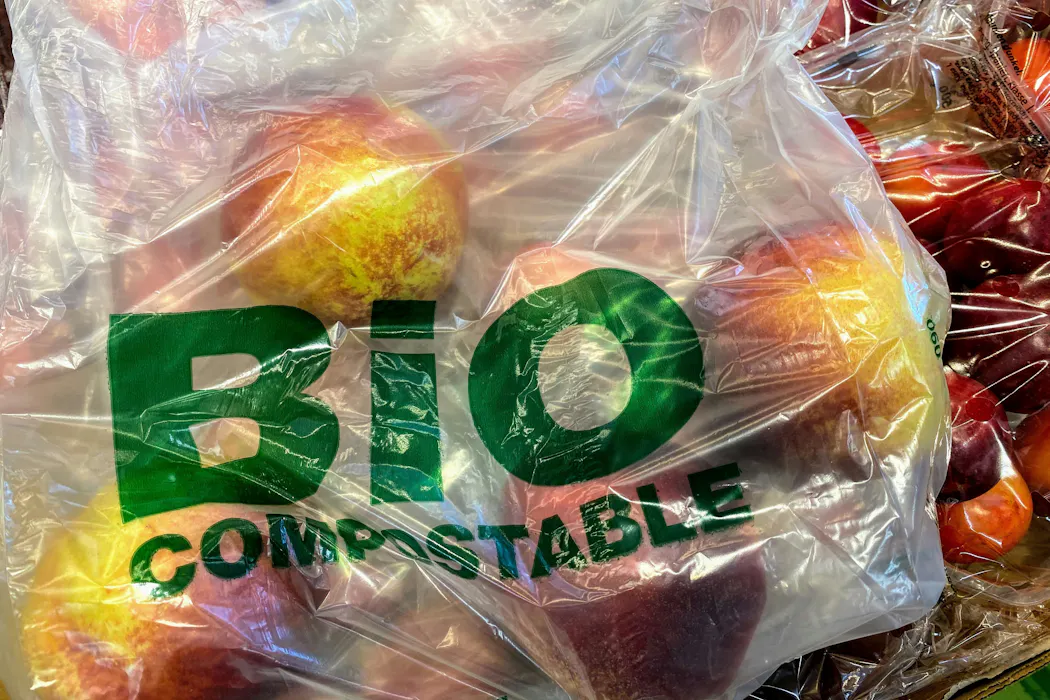
John Cameron / Unsplash “Biodegradable” has become one of the most reassuring words in modern packaging. It appears on coffee cups, shopping bags and food containers, implying a promise: this product is better for the environment because nature will eventually take care of it. However, biodegradability is not a simple yes-or-no property. It exists in shades, which we can measure. Biodegradation is a complex process. Microbes and molecules present in an environment such as soi
The term 'biodegradable' on packaging suggests environmental friendliness, but the reality is complex. Biodegradation depends heavily on environmental conditions like temperature, moisture, and microbial presence, meaning a material's breakdown rate varies significantly by location. A product designed to degrade in an industrial composting facility, for instance, might persist for years in a landfill or ocean.
Standards exist to test biodegradability under specific simulated conditions, such as industrial composting or home composting. However, materials certified for one environment may not perform as expected in another, leading to potential confusion and pollution if disposed of incorrectly. For example, PLA, often seen as a green alternative, breaks down rapidly in industrial composters but much slower in less controlled settings.
Understanding the nuances of biodegradability is crucial for consumers to make informed choices about packaging disposal and to avoid contributing to environmental pollution.
📌 Kaynak
Bu özet The Conversation AU kaynağından otomatik derlenmiştir. Tamamı için orijinal habere gidin.
Orijinal haberi oku →