New solar desalination breakthrough makes fresh water without toxic brine
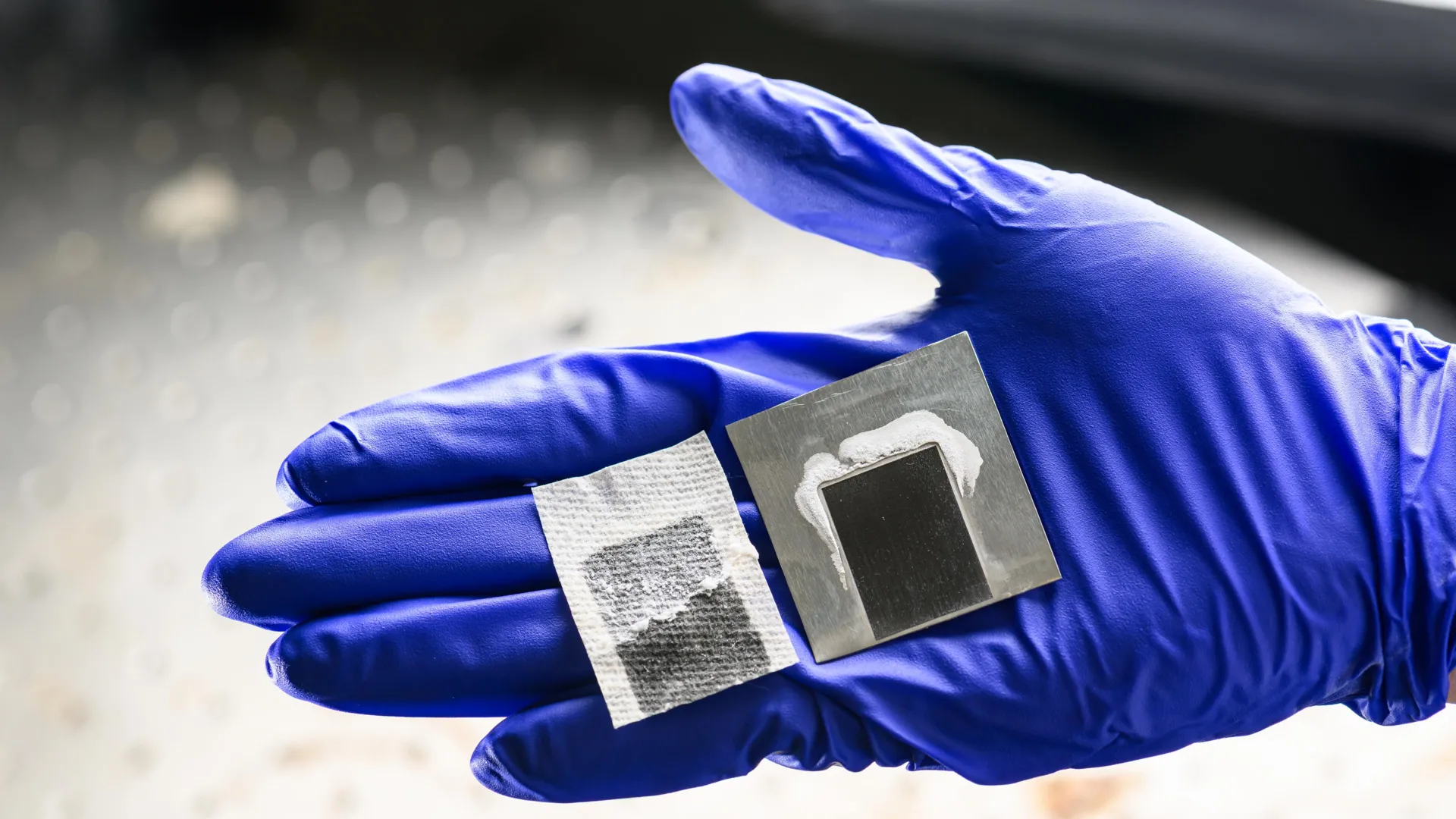
Scientists have developed a solar desalination system that turns seawater into drinking water without creating environmentally damaging brine. Special laser-textured metal panels use sunlight to evaporate water while automatically moving salt deposits away from the working surface, preventing clogging. The process was successfully tested with water from three oceans and can recover nearly all salts as solids. Those leftover materials could even become a source of valuable lit
According to the United Nations, 2.2 billion people still do not have access to safely managed drinking water. To help meet growing demand, many regions, from California to parts of the Middle East, rely on desalination plants that convert seawater into fresh water.
Traditional desalination methods such as reverse osmosis and thermal distillation can be expensive and energy intensive. They often require chemical treatments before and after processing the water and generate large volumes of concentrated saltwater known as brine. When discharged back into the ocean, brine can damage marine ecosystems by increasing salinity and reducing oxygen levels.
Researchers at the University of Rochester have developed a new approach that could address several of these challenges. Their solar powered desalination system produces fresh water efficiently, operates without chemical pretreatment, and avoids creating brine waste. The research was led by Chunlei Guo, a professor of optics and physics and a senior scientist at the University's Laboratory for Laser Energetics. The team described the technology in the journal Light: Science & Applications.
The system relies on specially engineered solar panels made from black metal that has been textured with femtosecond lasers. This treatment gives the surface two important properties. It absorbs nearly all incoming sunlight and strongly attracts water, a characteristic known as superwicking.
A laser patterned active region draws a thin layer of seawater across the panel. As sunlight is absorbed, the water evaporates and is distilled into fresh water. At the same time, dissolved salts and minerals are guided away from the active area and deposited onto untreated sections of the panel called passive regions.
By moving the salts away from the evaporation zone, the design prevents buildup that could otherwise interfere with continuous operation.
Guo notes that several solar thermal desalination technologies have shown promising results in laboratory studies using simplified seawater composed only of water and sodium chloride.
In those experiments, sodium chloride crystals form in a loose, porous structure as water evaporates. Water can continue flowing through these crystals, dissolving them and making the systems relatively easy to clean.
In addition to sodium chloride, oceans contain many other dissolved minerals. Materials containing magnesium and calcium often form hard, dense crusts when they crystallize. These deposits can block water flow and eventually shut down the desalination process.
The problem is similar t
📌 Kaynak
Bu özet ScienceDaily Tech kaynağından otomatik derlenmiştir. Tamamı için orijinal habere gidin.
Orijinal haberi oku →