OUTBREAK READINESS OP-ED: Beyond infrastructure: Training the biosecurity leaders Africa needs
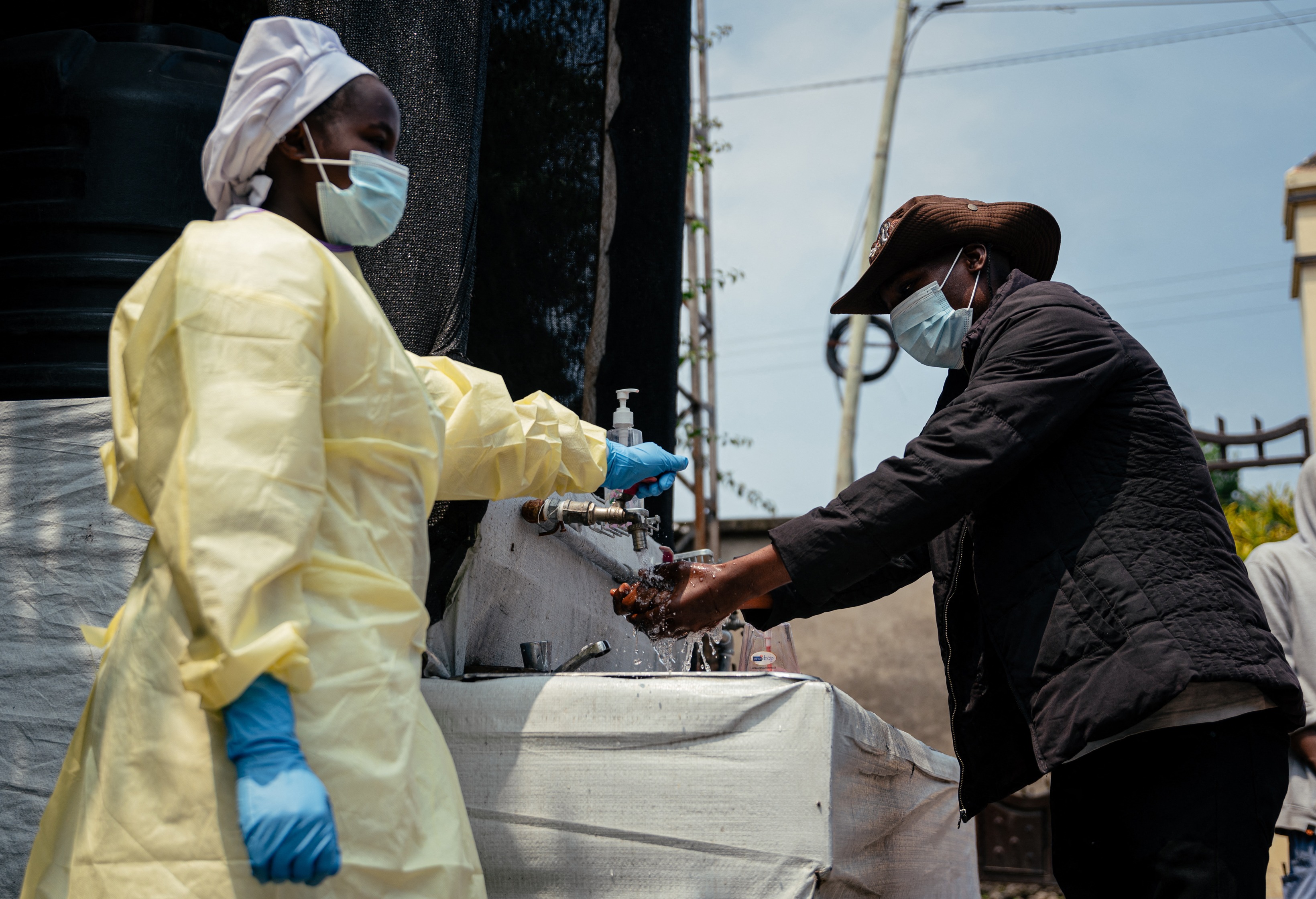
As natural outbreaks, laboratory accidents and the deliberate misuse of biological agents converge into an increasingly complex threat environment, Africa’s ability to prevent, detect and respond will depend on a sustained investment in the people capable of doing so.
As natural outbreaks, laboratory accidents and the deliberate misuse of biological agents converge into an increasingly complex threat environment, Africa’s ability to prevent, detect and respond will depend on a sustained investment in the people capable of doing so.
At least three weeks passed between the first deaths in Ituri province and laboratory confirmation of Bundibugyo Ebola in May 2026. Three weeks in which the virus claimed 80 lives, infected 246 people and crossed from the Democratic Republic of Congo into Uganda’s capital, Kampala. Biosecurity risks have been on the global agenda for decades, from naturally occurring epidemics like the 2014-2016 Ebola Zaire outbreak that killed more than 11,000 people across west Africa and revealed major costs of underinvestment in health security capacity, to the 2001 anthrax attacks in America that exposed the vulnerability of even well-resourced public health systems to deliberate biological threats. Each crisis has generated new commitments and real gains. However, key gaps have remained.
The 2014-2016 Ebola outbreak accelerated efforts to build a continental response architecture. The Africa Centres for Disease Control and Prevention (Africa CDC) was established in 2017 to build capacity to prevent, detect and respond to health threats and build capacity to implement the International Health Regulations. As a part of this effort, in 2019, Africa CDC unveiled its biosafety and biosecurity strategy, including a novel Biosafety and Biosecurity Initiative (BBI). This initiative was supported by Global Affairs Canada’s Weapons Threat Reduction Program, the Nuclear Threat Initiative (NTI) biosecurity programme, the Open Philanthropy Project, US Centers for Disease Control and Prevention and the US Defense Threat Reduction Agency. BBI works to strengthen biosafety and biosecurity systems across all African Union member states in compliance with the International Health Regulations and the Biological Weapons Convention, protecting against both accidental and deliberate releases of dangerous biological agents. What BBI cannot do alone is build the leadership pipeline needed to sustain and govern those systems over time and to address emerging regional and global risks.
The urgency of closing that gap has only grown as the threat landscape has widened. In 2023, armed groups seized Sudan’s National Public Health Laboratory in Khartoum, raising fears of pathogen escape from a facility housing polio, measles and cholera isolates. In June 2024, a ransomware attack on South Africa’s National Health Laboratory Ser
📌 Kaynak
Bu özet Daily Maverick (ZA) kaynağından otomatik derlenmiştir. Tamamı için orijinal habere gidin.
Orijinal haberi oku →