ANALYSIS: Will Ramaphosa’s reforms outlast him? It depends on the future prosperity of the nation.
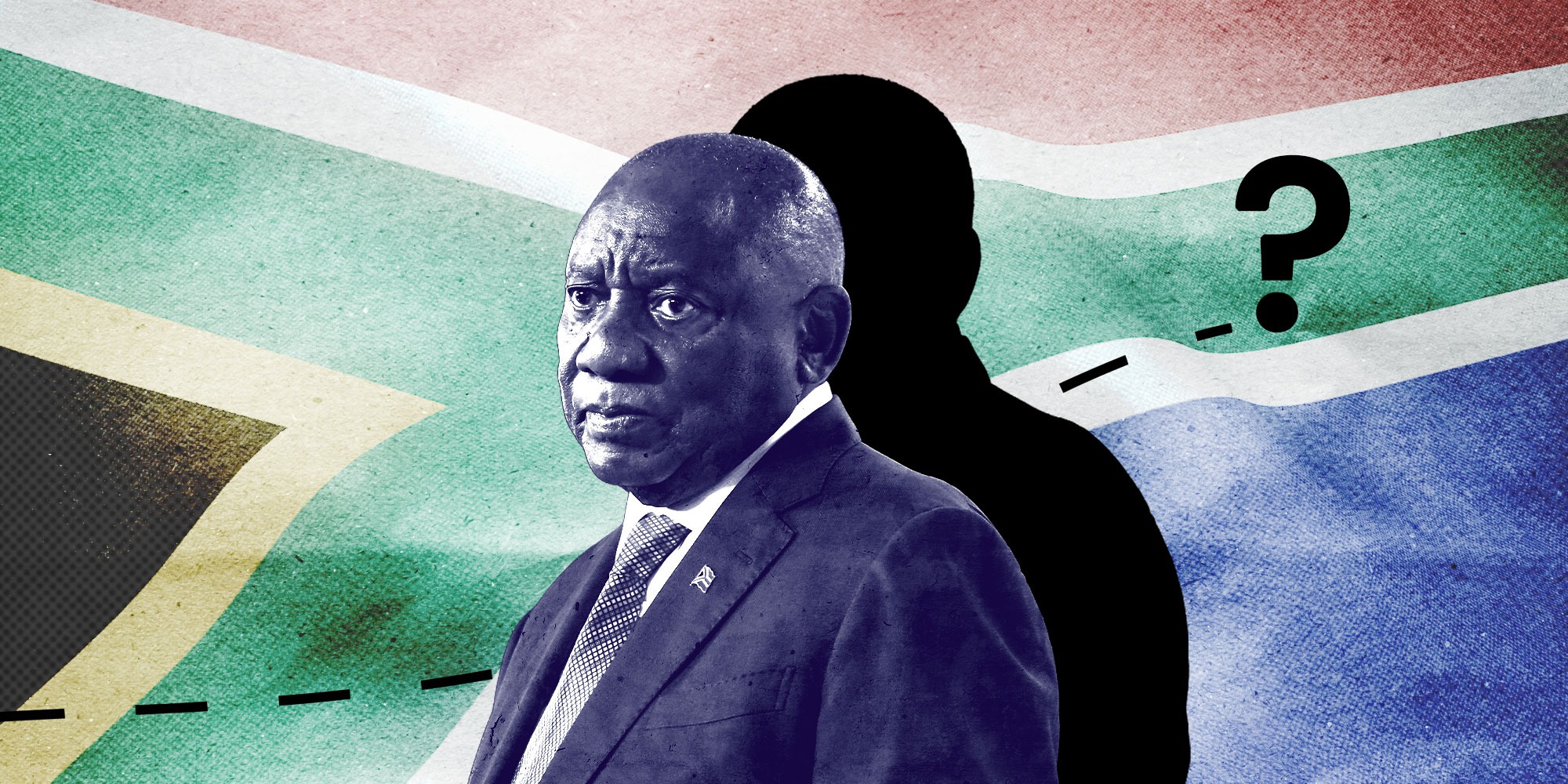
As Parliament’s Impeachment Committee is due to hold its first meeting on Monday, speculation is likely to mount about President Cyril Ramaphosa’s future. While it seems highly unlikely he could be forced from office, this may be an opportune moment to assess which of his reforms will outlast him, and if they will lead to economic growth.
As Parliament’s Impeachment Committee is due to hold its first meeting on Monday, speculation is likely to mount about President Cyril Ramaphosa’s future. While it seems highly unlikely he could be forced from office, this may be an opportune moment to assess which of his reforms will outlast him, and if they will lead to economic growth.
While many people enter politics simply for their own self-aggrandisement, the true test of a successful politician is whether they are able to change the trajectory of a society.
Considering South Africa’s situation, that then becomes a test of whether the reforms instituted under President Cyril Ramaphosa will change our trajectory, and particularly help our economy to grow.
It may be premature to say with certainty whether certain reforms might remain, but some do appear to be entrenched and harder to reverse. Others have become almost institutionalised, which means they will probably outlast even significant political change.
At least two reforms appear institutionalised and might be very difficult for any future leader to roll back.
The first is at Eskom, where the current leadership, CEO and board have been able to radically transform the entity. While they’ve had help (the huge increase in rooftop solar generation, for example), the fact is that they’ve been able to relegate load shedding to just a distant memory.
While it is always possible for an institution to be looted in the future, and for government to again mess up its planning, a more fundamental change has happened.
Ten years ago, almost all electricity consumed in South Africa was generated by Eskom. Now, less and less power is. Instead, a significant portion is generated from rooftop solar installations and by independent power producers who then sell it to Eskom.
This change will never be rolled back. The genie is out of the bottle and government has lost its monopoly on electricity generation forever.
Something similar has happened at Transnet, but not quite to the same extent.
A private operator currently runs Pier Two of the Durban Harbour, through which about 46% of our cargo volume moves.
This is a 25-year contract, and while it is conceivable that a future government could cancel the deal, it seems very unlikely. It would also have to be a government of a very radical character to make this decision.
The same is probably true of the decision by Transnet to allow privately owned trains to run on the national railway system. Any decision to reverse that would result in endless court action (although, the MK party says in its manifesto
📌 Kaynak
Bu özet Daily Maverick (ZA) kaynağından otomatik derlenmiştir. Tamamı için orijinal habere gidin.
Orijinal haberi oku →