ANALYSIS: How South Africa’s xenophobic online machine was rebooted in 2026
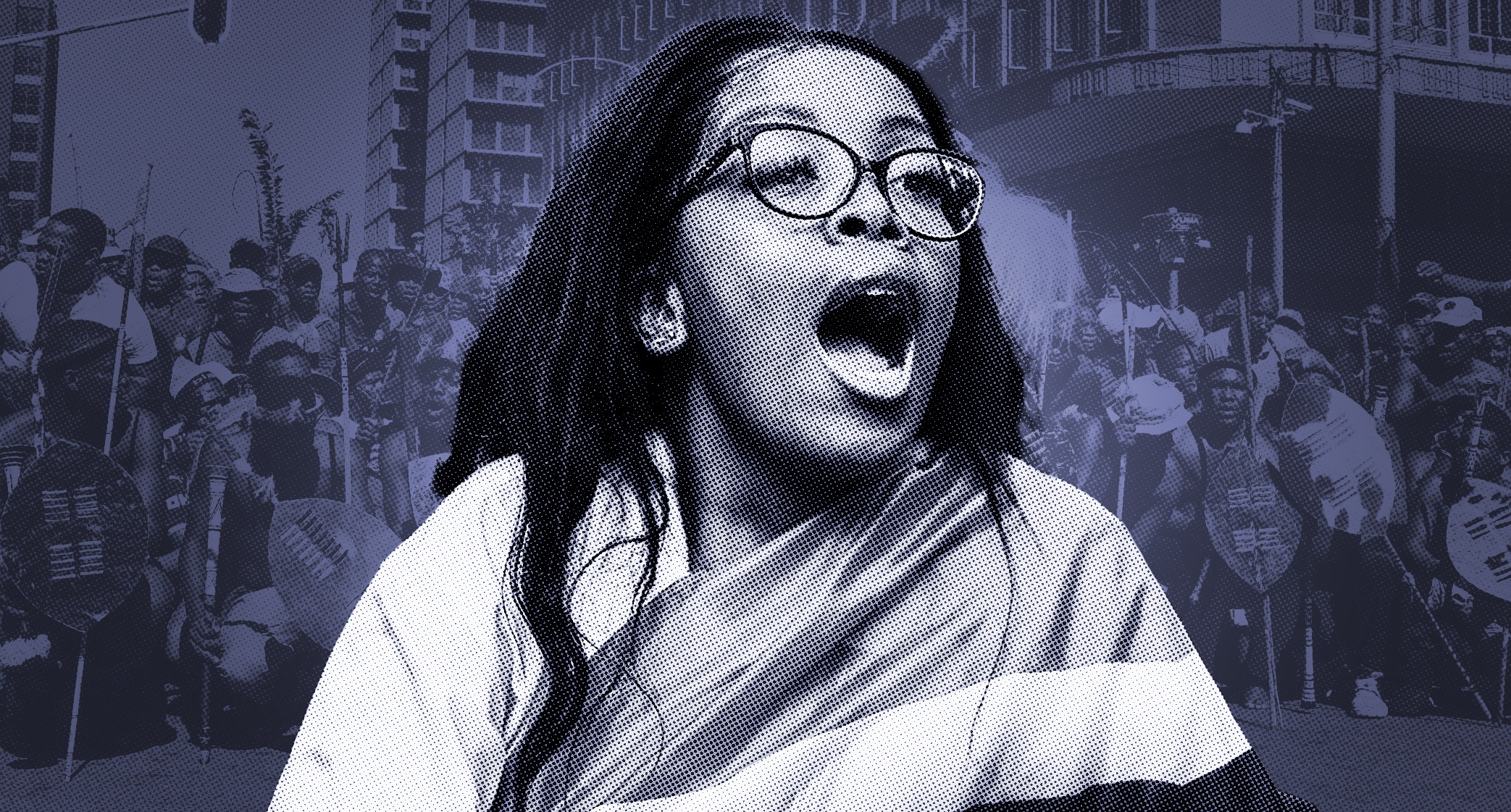
Recent events did not create SA’s xenophobic online machine. They reveal how entrenched, interconnected and politically influential that machine has already become.
Recent events did not create SA’s xenophobic online machine. They reveal how entrenched, interconnected and politically influential that machine has already become.
South Africa’s latest wave of xenophobic mobilisation did not begin with a political speech or a major violent incident. It began with a missing-person campaign.
Yet this resurgence would not have been possible without the groundwork laid by a movement that has spent the past six years building audiences, networks and narratives around anti-immigrant mobilisation, dating back to the emergence of #PutSouthAfricansFirst during the Covid lockdown period in 2020.
In early 2026, emotional online appeals linked to the disappearance of Mazwi Kubheka spread rapidly across X under hashtags such as #BringMazwiBack and #JusticeForMazwi. Initially framed as community-driven efforts to find a missing young man, the campaigns quickly evolved into something much larger: a digitally coordinated anti-immigrant mobilisation ecosystem.
Although authorities later stated that the alleged kidnapping involved both South African and foreign-national suspects, including individuals of Ethiopian origin, investigators stressed that the case remained open and that the full motive had not yet been established.
Online activists nevertheless increasingly used the case as evidence for broader claims linking undocumented migration to crime, corruption and state failure.
A key early champion of the Mazwi campaign was X user @radebe_merci, whose persistent posting helped transform the disappearance from a local missing-person case into a national social media cause. Radebe Merci, who works for alternative media outlet MDN News, became one of the most influential accounts associated with #BringMazwiBack and #JusticeForMazwi.
An analysis of a sample of almost four million posts on X between January and May 2026 shows how nationalist influencers, activist networks and coordinated amplification accounts transformed grief, fear and outrage into one of the country’s most powerful online anti-foreigner narratives.
At the centre of this ecosystem sat the X account @knick_rsa, followed by March and March leader Jacinta Ngobese-Zuma, while Herman Mashaba’s ActionSA-aligned community did the most to translate these online conversations into formal political engagement.
According to the analysis, the largest and most dominant online community was an Operation Dudula-aligned nationalist cluster built around @knick_rsa, responsible for 37% of all posts in the dataset despite representing only 15% of users – such a high level of pos
📌 Kaynak
Bu özet Daily Maverick (ZA) kaynağından otomatik derlenmiştir. Tamamı için orijinal habere gidin.
Orijinal haberi oku →