The forgotten organ that could predict how long you live
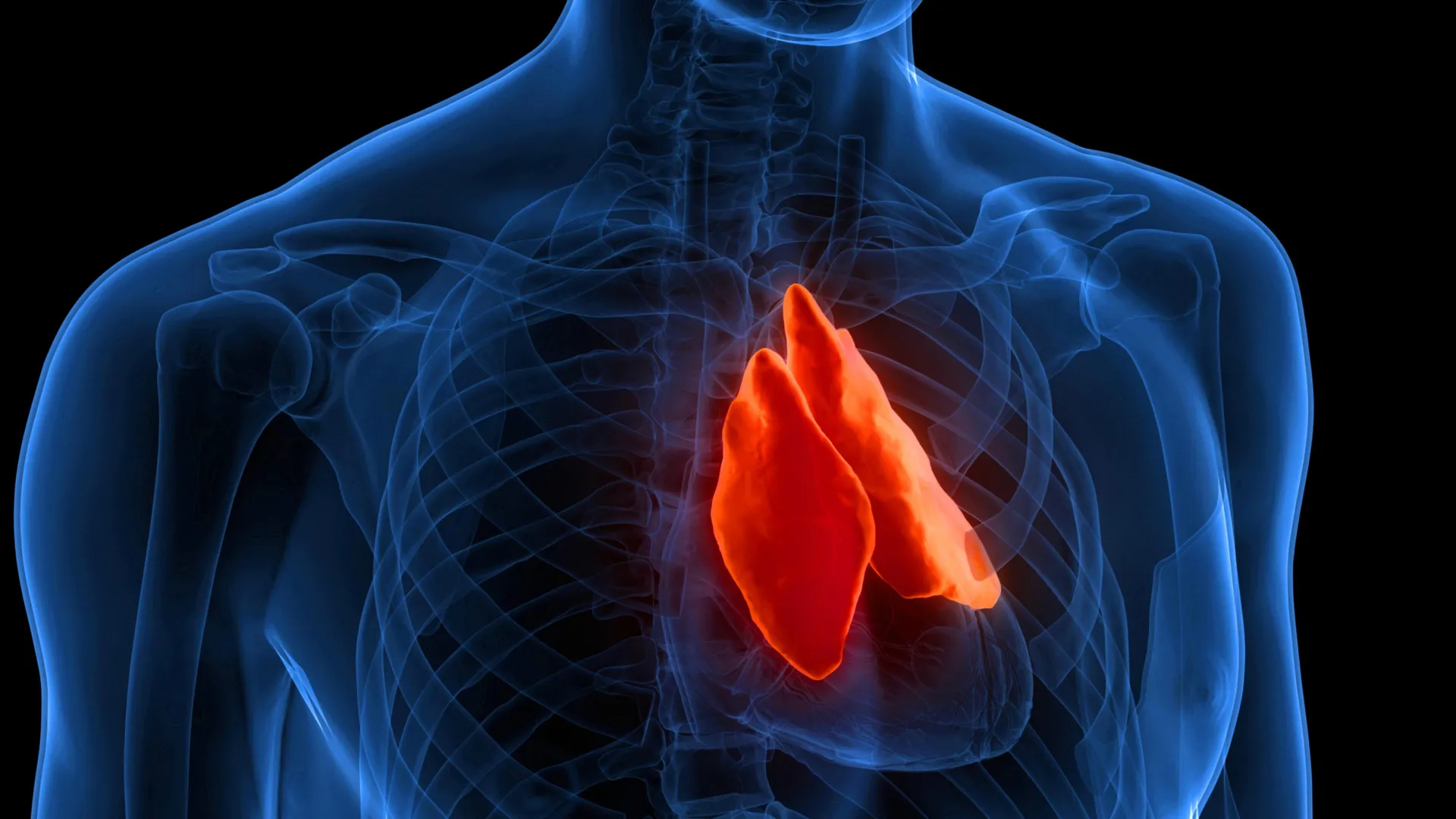
A long-overlooked organ may hold surprising clues to healthy aging and cancer survival. Researchers at Mass General Brigham used AI to analyze CT scans from tens of thousands of adults and found that people with healthier thymusesâa small immune-system organ once thought to become largely irrelevant after childhoodâlived longer and had substantially lower risks of heart disease, cancer, and death.
Researchers at Mass General Brigham have uncovered evidence that the thymus, a small immune system organ long thought to lose its importance after childhood, may play a major role in adult health. Two new studies found that adults with healthier thymuses were more likely to live longer and less likely to develop serious diseases. The research also suggests that thymic health may influence how well cancer patients respond to immunotherapy.
The findings were published in two papers in the same issue of Nature and challenge decades of assumptions about the thymus. The results indicate that the organ remains important throughout adulthood and could eventually help guide disease prevention strategies and cancer treatment decisions.
"The thymus has been overlooked for decades and may be a missing piece in explaining why people age differently, and why cancer treatments fail in some patients," said Hugo Aerts, PhD, corresponding author on the papers and director of the Artificial Intelligence in Medicine (AIM) Program at Mass General Brigham. "Our findings suggest thymic health deserves much more attention and may open new avenues for understanding how to protect the immune system as we age."
Located in the chest, the thymus helps train T cells, a type of immune cell that helps defend the body against infections and disease. Because the organ gradually shrinks after puberty and produces fewer new T cells over time, many scientists assumed it played only a limited role in adult health.
As a result, the thymus has received relatively little attention in large population studies. Earlier research connected T cell diversity to aging and declining immune function, but those studies were typically small and focused on blood samples.
The new research took a much broader approach. Investigators analyzed data from more than 25,000 adults participating in a national lung cancer screening trial, along with more than 2,500 people enrolled in the Framingham Heart Study, a long-running study that tracks the health of generally healthy adults.
Using artificial intelligence (AI) to evaluate routine CT scans, the researchers measured the size, structure, and composition of the thymus. From those measurements, they created a "thymic health" score.
People with higher thymic health scores experienced significantly better outcomes. Compared with individuals who had poorer thymic health, they had about a 50% lower risk of death from any cause, a 63% lower risk of death from cardiovascular disease, and a 36% lower risk of developing lung cancer. These relationships remained st
📌 Kaynak
Bu özet ScienceDaily Tech kaynağından otomatik derlenmiştir. Tamamı için orijinal habere gidin.
Orijinal haberi oku →