Ethiopia votes as Abiy seeks stronger mandate amid democratic concerns
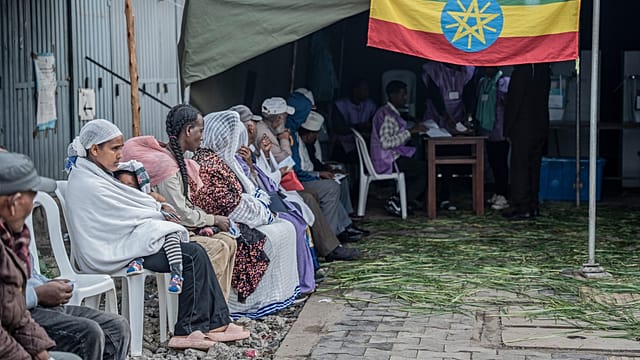
Millions of Ethiopians headed to the polls on Monday in legislative elections expected to extend Prime Minister Abiy Ahmed’s rule, as opposition parties and analysts raised concerns about political freedoms, ongoing conflicts and the competitiveness of the vote.
Millions of Ethiopians headed to the polls on Monday in legislative elections expected to extend Prime Minister Abiy Ahmed’s rule, as opposition parties and analysts raised concerns about political freedoms, ongoing conflicts and the competitiveness of the vote.
Polling stations opened at 6 a.m. local time across Ethiopia, with long queues forming outside voting centres as citizens cast ballots to elect more than 500 members of the House of Representatives.
In the capital, Addis Ababa, voters arrived before sunrise, demonstrating strong turnout despite heightened security measures and a visible military presence around some polling stations.
“This is my first time voting. The election is good, it is fair,” said voter Bisrat Ketema. “I have voted for the party I believe will benefit this country.”
Another voter, Tesfaye Eshetu, said many residents arrived early to support the political groups they believe could improve their lives and address national challenges.
The elections are widely expected to deliver another victory for Prime Minister Abiy Ahmed’s Prosperity Party, potentially paving the way for a third term in office.
Abiy, who came to power in 2018, secured an overwhelming majority in the 2021 elections, winning 96 percent of parliamentary seats.
This year, the ruling party faces a fragmented opposition made up of more than 40 parties, many of which have limited resources and weak national reach. In some constituencies, Prosperity Party candidates are running unopposed.
Opposition groups and political analysts have expressed concerns over the openness of the electoral process, arguing that the political environment has become increasingly restrictive.
Some opposition leaders are in exile, others have been imprisoned or barred from participating, while several armed groups continue to reject political engagement.
Analysts at the Chatham House think tank described the vote as likely to be among the least competitive elections since Ethiopia introduced multiparty democracy in 1991.
The elections are taking place against the backdrop of ongoing instability in several regions of the country.
No voting is being held in the northern Tigray region due to continuing tensions between regional and federal authorities. Security concerns also persist in Oromia and Amhara, two of Ethiopia’s most populous regions.
Although Abiy won the 2019 Nobel Peace Prize for helping end years of hostility with Eritrea, his government has faced mounting criticism over internal conflicts, restrictions on dissent and allegations of authoritarian governance.
Aroun
📌 Kaynak
Bu özet Africanews kaynağından otomatik derlenmiştir. Tamamı için orijinal habere gidin.
Orijinal haberi oku →