TRADE TRANSITION: Why Eskom’s carbon intensity may become the biggest strategic challenge for South African exporters
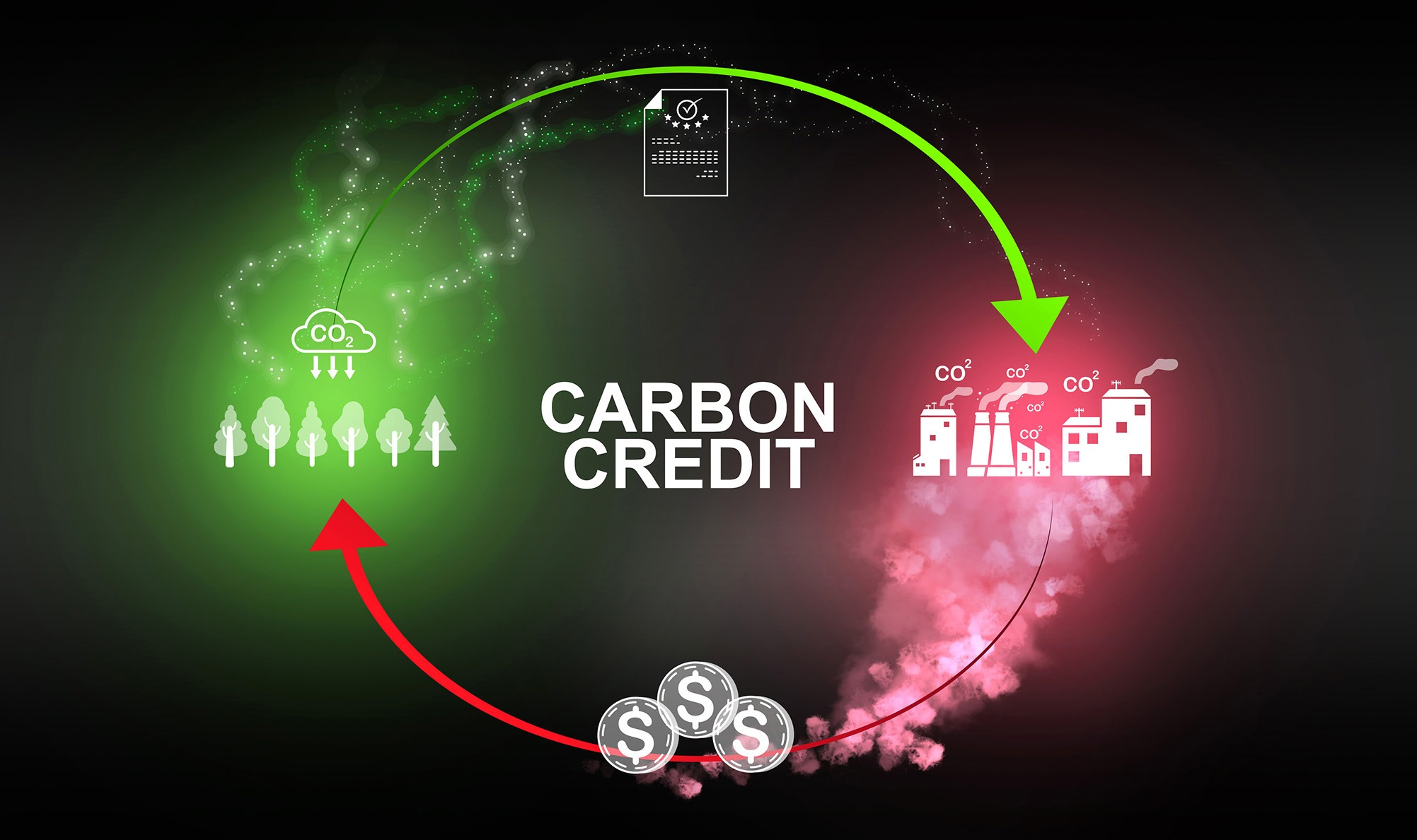
As the EU’s Carbon Border Adjustment Mechanism enters its implementation phase, South African exporters face a future in which carbon intensity may increasingly shape competitiveness and market access. While the immediate impact is limited, the potential expansion of the mechanism to downstream products and electricity-related emissions could significantly raise the stakes for carbon-intensive industries and the broader economy.
As the EU’s Carbon Border Adjustment Mechanism enters its implementation phase, South African exporters face a future in which carbon intensity may increasingly shape competitiveness and market access. While the immediate impact is limited, the potential expansion of the mechanism to downstream products and electricity-related emissions could significantly raise the stakes for carbon-intensive industries and the broader economy.
The European Union’s Carbon Border Adjustment Mechanism (CBAM) entered a new phase on 1 January 2026, moving from a reporting and data-gathering exercise to a system that now imposes a financial liability on imports of certain carbon-intensive products entering the EU.
It should be noted that the financial liability of CBAM applies to the importers of defined affected products into the EU, and not directly to producers in South Africa.
While much attention has focused on compliance requirements and administrative obligations, the bigger story for South African business lies elsewhere. The real significance of CBAM is that it is reshaping the relationship between trade, industrial competitiveness and decarbonisation.
For SA’s export-oriented industries, the mechanism signals a future in which carbon intensity may increasingly influence market access alongside price, quality and reliability.
The immediate impact of CBAM on South African exports is relatively limited. However, the scope of CBAM is expected to expand over time, and the European Commission is already considering changes that could significantly increase SA’s exposure.
Most important among these is the possible inclusion of indirect emissions associated with electricity consumption – a development that could bring Eskom’s coal-dominated generation fleet directly into the competitiveness equation for South African exporters.
CBAM was introduced to address “carbon leakage” – the risk that industrial production could move from Europe to countries with less stringent climate policies, or that European producers could be displaced by imports from jurisdictions where carbon taxes are lower.
The mechanism is intended to place a carbon price on imports equivalent to that faced by producers operating under the EU Emissions Trading System. In principle, it seeks to ensure that the carbon cost externalities associated with producing a product is reflected in its price in the EU, regardless of where that product is manufactured.
European officials stress that CBAM applies to companies rather than countries. The mechanism is based on the carbon emissions embedded in produc
📌 Kaynak
Bu özet Daily Maverick (ZA) kaynağından otomatik derlenmiştir. Tamamı için orijinal habere gidin.
Orijinal haberi oku →