OBITUARY: Emiliano Sandri: The La Perla founder who brought Mediterranean sophistication to Cape Town
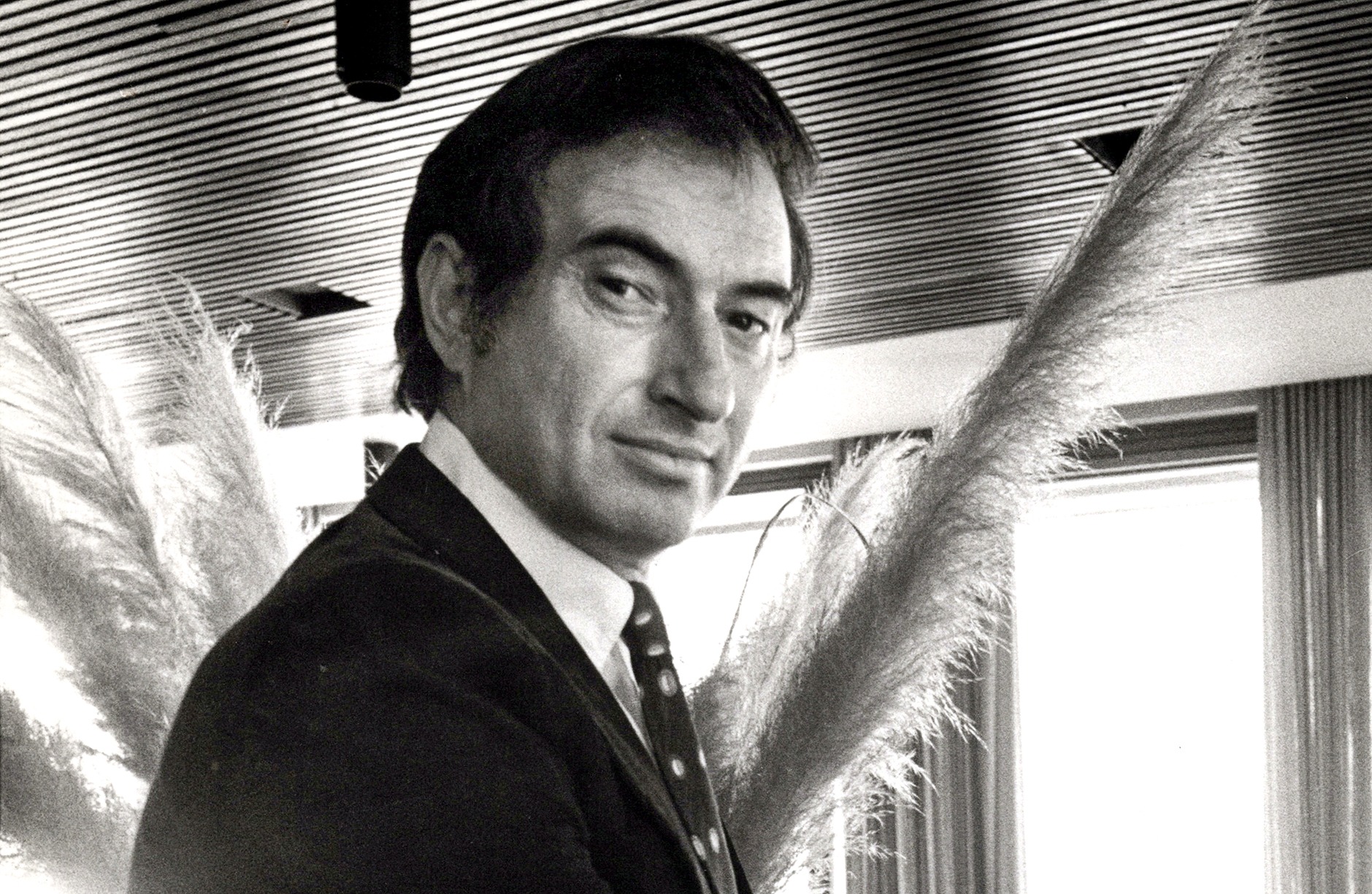
With the death of restaurateur Emiliano Sandri at 91, Cape Town bids farewell to one of the pioneers who helped transform its staid dining culture into a cosmopolitan culinary scene. Through La Perla and a lifetime devoted to hospitality, Sandri introduced generations of South Africans to Mediterranean food, style and conviviality, leaving an imprint on the city that endures to this day.
With the death of restaurateur Emiliano Sandri at 91, Cape Town bids farewell to one of the pioneers who helped transform its staid dining culture into a cosmopolitan culinary scene. Through La Perla and a lifetime devoted to hospitality, Sandri introduced generations of South Africans to Mediterranean food, style and conviviality, leaving an imprint on the city that endures to this day.
Enter your email below and we'll send you a one-time pin to log in.
Emiliano Sandri, who died on 14 May aged 91, arrived in South Africa in 1956 with little more than a single suitcase, a sexy cosmopolitan attitude and an ambitious hotelier’s training.
Over the next seven decades, he would be a vital part of a team that helped transform a city whose dining culture was a dour affair into one of the world’s most cosmopolitan culinary capitals, largely through the creation of La Perla, the Sea Point institution that became a theatre of Mediterranean elegance on the Atlantic seaboard.
To comprehend the scale of his achievement, one has to recall Cape Town, and South Africa more broadly, in the mid-1950s. The restaurant world, along with much else, was a far cry from the vibrant tapestry it is today. That decade predates this obituarist’s birth, though I have a vivid childhood memory of the grim mood of the 1970s.
A brief diversion is necessary to grasp the spirit (or lack thereof) of those times, the one into which Sandri arrived. Sundays were particularly restrictive: no selling of alcohol, watching films, shopping, gardening or dancing – zilch. They were euphemistically called Sunday observance laws.
The Dutch Reformed Church pressured the boorish National Party leaders into creating laws that would make the above criminal offences. Such were the contradictions that you could bulldoze District Six, consign fellow South Africans to matchbox houses on the outskirts of towns, push people off rooftops, but woe betide anyone who dared to have any form of bonhomie, or human rights for that matter.
Entire suburbs suffered under that dreadful heavy hush comparable to the eerie silence after an atomic bomb drops. The streets emptied and the only refuge for those seeking a meal out was the formal hotel lunch, where you were allowed a glass of wine because you were eating. Menus were dominated by British and American staples: steak and eggs, mixed grills, hamburgers, chips and milkshakes.
Carveries lent an air of faux refinement to proceedings, while buffets offered food that had been simmering for hours. The greasy smell of reheated hotel food was a particular torture. Scram
📌 Kaynak
Bu özet Daily Maverick (ZA) kaynağından otomatik derlenmiştir. Tamamı için orijinal habere gidin.
Orijinal haberi oku →