If Ebola lands in Australia tomorrow, what happens next?
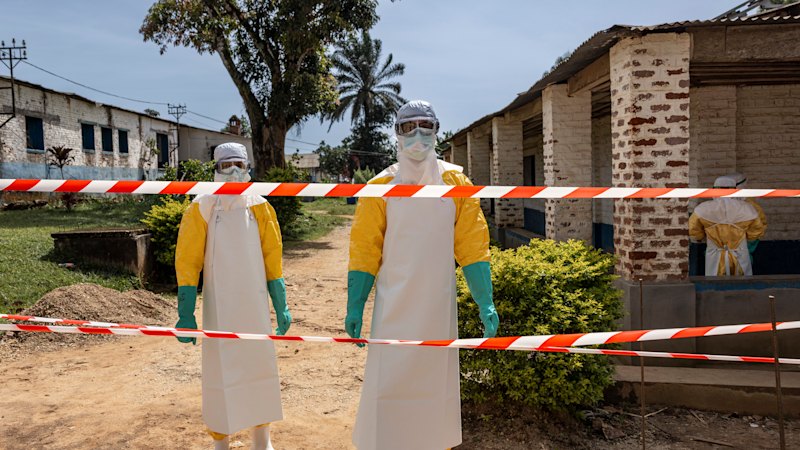
With global travel, a disease that begins far away can quickly become a test of systems here, and the first 24 hours would matter enormously.
The management of Victoria’s suspected Ebola case last week shows the best infectious disease responses are the ones you never hear about. A patient arrives, precautions are taken, tests are run, and a threat is ruled out. The system works, then disappears back into the background.
That should reassure Australians, but it should also prompt a more difficult question. If Ebola lands in Australia tomorrow, what will happen next?
The Bundibugyo strain in the current outbreak, which is spreading rapidly in the Democratic Republic of Congo and neighbouring Uganda, has no approved vaccines or treatments, but we have enough experience with Ebola viruses to suggest that it would be unlikely to gain a foothold here.
Health Minister Mark Butler was right in describing it as “deeply concerning” on Monday, but we’re also reminded that Australia has a strong health system, sophisticated laboratories, experienced public health teams and specialist services well-placed to manage a small number of cases.
Ebola can be contracted via bodily fluids such as vomit, blood or semen. The disease it causes is rare, but severe and often fatal. It is not easily spread through casual contact, and the likelihood of a large outbreak here remains low. But low risk is not the same as no risk, and like any infectious disease new to humans, there are uncertainties and things can change rapidly.
With global travel, a disease that began far away can quickly become a test of systems here, and the first 24 hours would matter enormously.
A person with symptoms arrives at an emergency department, a GP clinic or calls an ambulance. Someone has to ask the right questions: where have they travelled, who have they been in contact with, have they been in an outbreak zone? The case has to be recognised quickly, isolated safely and notified to public health authorities. Staff need the right protective equipment, and they need to know how to use it. Ambulance, hospital, laboratory and public health teams must move as one.
Thankfully, Australians are vastly more aware of the threats of infectious diseases than we were before 2020. Through COVID-19, the public took a crash course in once unfamiliar disciplines as epidemiology and immunology. That experience has brought disadvantages, including waning trust in authorities, but this advancement in public knowledge stands us in good stead.
Australia also now has a national Centre for Disease Control, formally established on January 1 this year, to better co-ordinate surveillance, advice and response across jurisdictions. However, readiness erodes i
📌 Kaynak
Bu özet Sydney Morning Herald kaynağından otomatik derlenmiştir. Tamamı için orijinal habere gidin.
Orijinal haberi oku →