Congo-Kinshasa: Coming Weeks Critical for Ebola Response in DR Congo - MSF
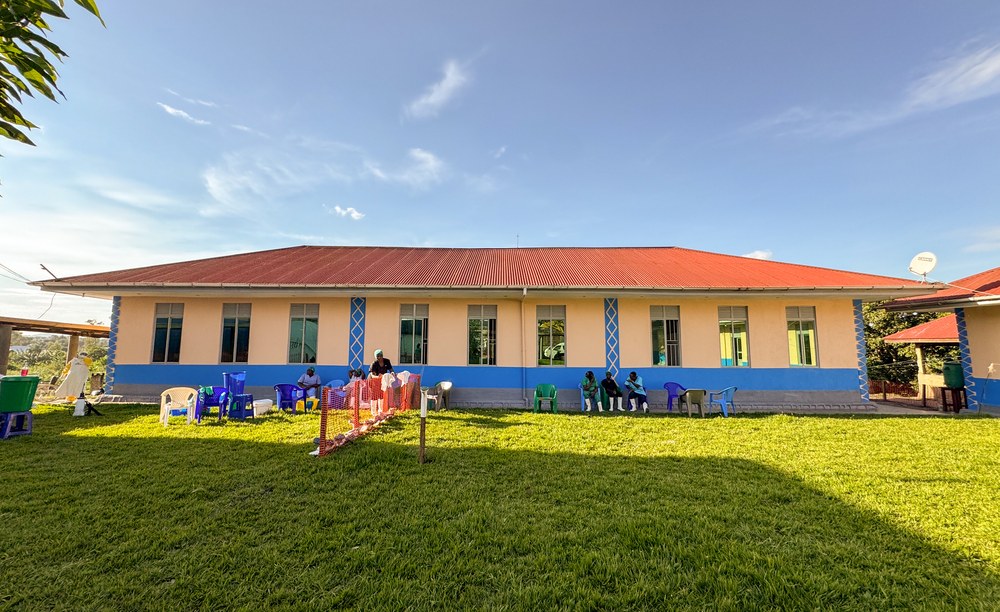
[MSF] In eastern DRC, people have been living through insecurity and with an under-resourced health system for years. The Ebola disease outbreak due to the Bundibugyo virus - which does not yet have approved vaccines or specific treatments - is posing a major additional challenge.
In eastern DRC, people have been living through insecurity and with an under-resourced health system for years. The Ebola disease outbreak due to the Bundibugyo virus – which does not yet have approved vaccines or specific treatments – is posing a major additional challenge.
Doctors Without Borders (MSF) teams are working to contain the spread of the disease and strengthen patient care, alongside the Ministry of Health.
As of 28 May, 125 confirmed cases, 906 suspected cases, and 223 deaths have been officially reported across Ituri, North Kivu, and South Kivu provinces. However, the true scale of the outbreak remains impossible to measure. Extremely limited testing capacity and difficulties in accessing certain areas mean that figures must be interpreted with caution.
Ituri, the epicentre of the outbreak, accounts for more than 90 per cent of the suspected cases that have been reported. The number of cases is increasing in Mongbwalu and Rwampara health zones.
“ We are working in a particularly difficult context,” says Dr Alan Gonzalez, MSF deputy director of operations. “For the past two weeks, our ability to get supplies and teams into the affected areas has been hampered by air and land travel restrictions. Testing capacity remains insufficient, and hundreds of samples are still awaiting processing in laboratories. Isolation and care capacity are also insufficient. All of this is impeding the rapid scale-up of the response and creating legitimate anxieties and fears among communities.”
Only a limited number of specialised organisations - including MSF - are currently responding in Ituri, and people’s needs far outweigh the available capacity.
In Ituri, MSF teams have begun constructing a 65-bed Ebola treatment centre (ETC) to admit both confirmed and suspected cases. We are also supporting the Ministry of Health in caring for and isolating people who are suspected cases at the Mongbwalu General Referral hospital, as well as at the Fataki General Referral hospital.
In Bunia, the capital of Ituri, MSF has set up an isolation system for patients in Salama hospital, and we are supporting several health facilities in and around the city to strengthen the safe treatment of suspected and confirmed cases. Teams are also reinforcing infection prevention and control measures. This is critical for preventing hospital-acquired infections, especially at a time when health services are under intense pressure.
At the same time, medical, logistics, and health promotion teams are supporting epidemiological surveillance and community awareness activities. This c
📌 Kaynak
Bu özet AllAfrica kaynağından otomatik derlenmiştir. Tamamı için orijinal habere gidin.
Orijinal haberi oku →