New hydrogen breakthrough turns waste heat into clean fuel
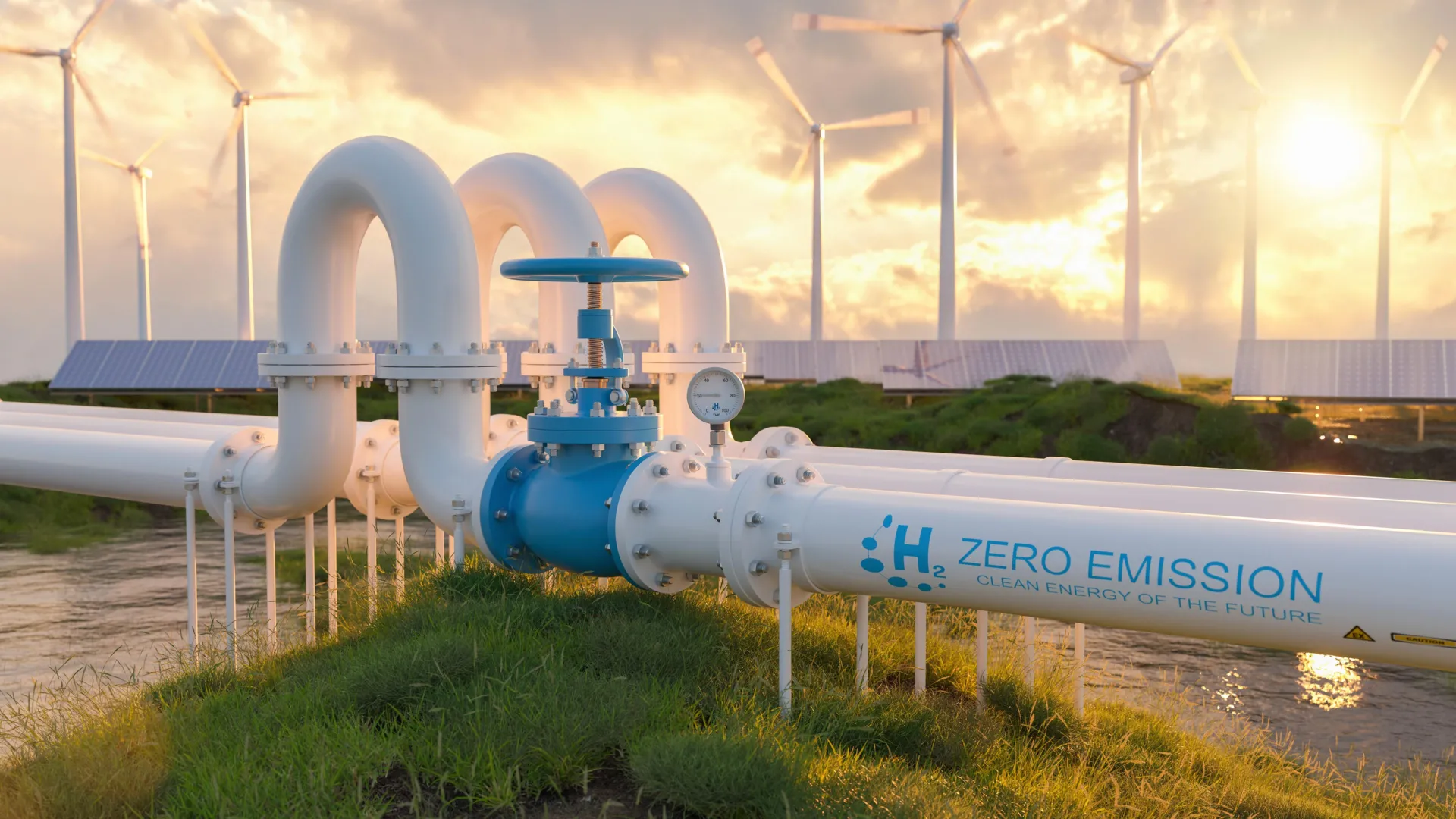
A breakthrough hydrogen-production method could make clean fuel far cheaper and easier to generate. Researchers at the University of Birmingham developed a perovskite-based catalyst that splits water into hydrogen at much lower temperatures than existing technologies, potentially allowing factories, steel plants, cement works, and renewable energy sites to turn waste heat into valuable hydrogen.
Researchers at the University of Birmingham have developed a new low-temperature approach to hydrogen production that could make the clean fuel cheaper and more practical to generate. The technique could be used both in large centralized facilities and in smaller local systems that take advantage of waste heat from major industrial operations.
Hydrogen is the most abundant element in the universe and is widely viewed as an important clean energy source. When used as a fuel, it produces only water and heat rather than carbon dioxide and other pollutants associated with fossil fuels. Hydrogen can also power fuel cells that generate electricity. Despite these advantages, around 95% of hydrogen production today still depends on fossil fuels.
New Catalyst Dramatically Lowers Hydrogen Production Temperatures
One promising way to produce hydrogen is through thermochemical water splitting, a process in which a catalyst separates water into hydrogen and oxygen. Existing thermochemical systems require extremely high temperatures. Water splitting typically occurs at 700-1000 oC, while the catalyst regeneration step often requires temperatures of 1300-1500 oC before another production cycle can begin.
A research team led by Professor Yulong Ding from the University of Birmingham's School of Chemical Engineering has shown that these temperatures can be significantly reduced by using a perovskite catalyst.
According to findings published in the International Journal of Hydrogen Energy, the new catalyst generated substantial amounts of hydrogen at temperatures between 150-500 oC. It could also be regenerated at temperatures ranging from 700-1000 oC, roughly 500 oC lower than current approaches.
Professor Ding said: "The lower overall temperature of the process could enable hydrogen to be produced nearby renewable energy generation plants, and foundation industry sectors such as steel, cement, glass and chemicals have an abundance of waste heat, which could be harnessed as the heat input for low-temperature hydrogen production. If the hydrogen is used locally, this would overcome the obstacles presented by storage and transport, so enabling the uptake of hydrogen fuel without the need for costly infrastructure."
The researchers also conducted a preliminary economic analysis. Their results suggest that water splitting using the new perovskite catalyst could produce hydrogen at a lower cost than both green hydrogen (produced from water by electrolysis) and blue hydrogen (produced from methane with carbon capture and storage).
The economic benefit appeared especial
📌 Kaynak
Bu özet ScienceDaily Tech kaynağından otomatik derlenmiştir. Tamamı için orijinal habere gidin.
Orijinal haberi oku →