ROVING REPORTERS: Hidden economies of the wild: From worms to frankincense
Can conservation pay for itself and create meaningful livelihoods beyond fenced protected areas? Researchers and entrepreneurs across southern and east Africa are exploring ways for rural communities to generate income from sustainably harvested wild resources.
Can conservation pay for itself and create meaningful livelihoods beyond fenced protected areas? Researchers and entrepreneurs across southern and east Africa are exploring ways for rural communities to generate income from sustainably harvested wild resources.
At the Carnivore Restaurant, one of the most famous dining spots in Nairobi, the menu offers a telling contradiction.
You can order crocodile. You can order ostrich. Both are farmed.
But if you wanted kudu – an antelope that moves freely across Kenya’s landscapes – the meat would likely have travelled hundreds of kilometres from South Africa.
For Francis Vorhies, who leads the African Wildlife Economy Institute (Awei), this irony serves as a warning: once a resource is farmed, the economic incentive to protect the wild system it came from begins to disappear – and the landscape itself becomes expendable.
As the commercial value of wild animals grows, explains Vorhies, so does the temptation to simply domesticate and farm them – a move that would remove the financial incentive for rural communities to protect the natural, wild spaces where wild animals, plants and insects thrive.
Awei argues that people living alongside wildlife – or on the edges of protected areas – must be able to legally, sustainably and profitably use the landscapes around them.
This is a reality Wiseman Ndlovu, the deputy director at Awei, understands intimately. Growing up in rural Zimbabwe near Hwange National Park, his connection to the wild was not academic, but rooted in survival and culture. He spent winters hunting impala, kudu and hares with dogs.
“When they say black communities don’t have hunters, I say, no – it’s not because we don’t have hunters, but we don’t have guns, maybe, and spaces to shoot,” says Ndlovu. “And even if people wanted to legally hunt, the system is structured in a way that prices them out, excludes them, and fails to include them meaningfully.”
To directly tackle this exclusion, Awei has established a new partnership with the South African Black Hunters and Sports Shooting Association to explore opportunities for scaling up emerging black hunters. Furthermore, Awei PhD student Klarine Engelbrecht is evaluating the SANParks Game Loan Programme, specifically looking at how game loans affect the social, economic and biological sustainability of emerging farmers.
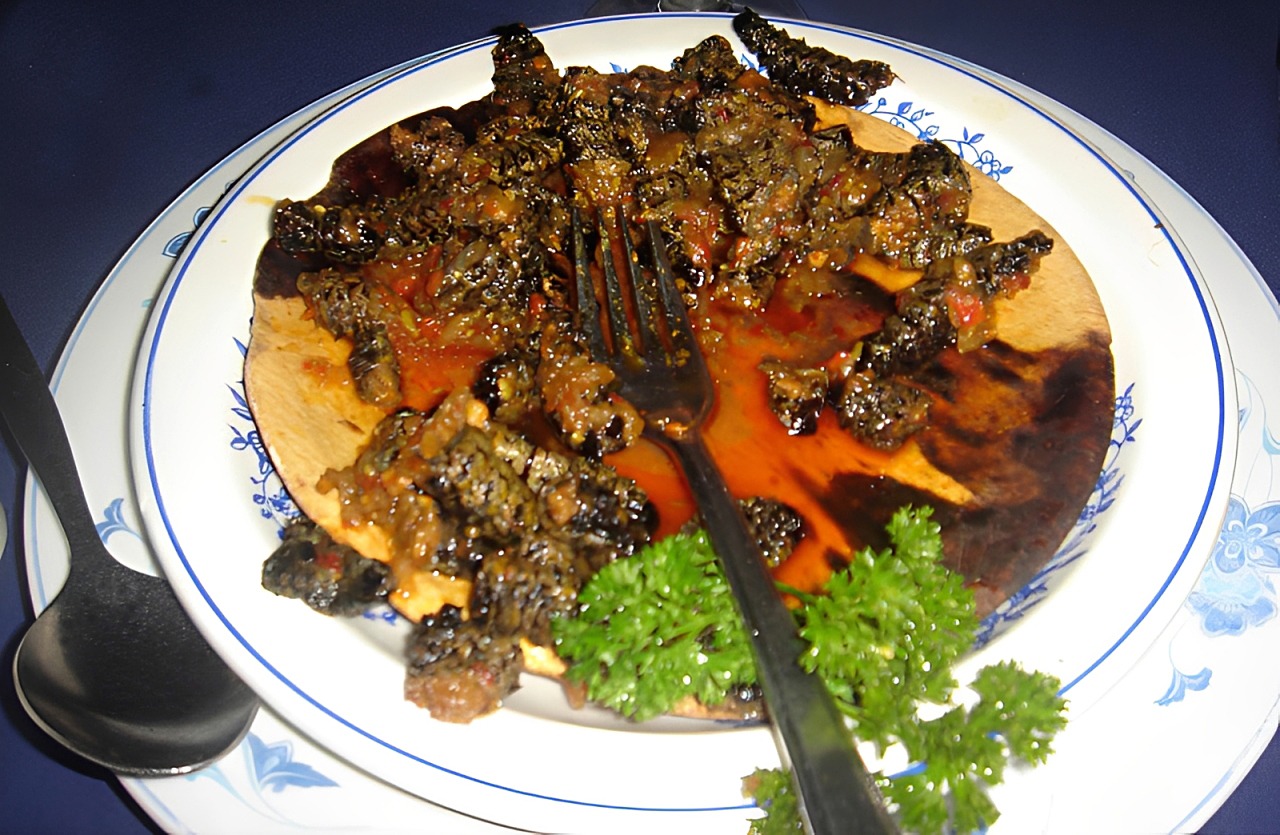
Today, Ndlovu has traded his hunting dogs for an economist’s lens. Among his current focus areas is a much smaller, yet culturally significant, wild resource: the mopane worm and other edible insects.
In Botswana and Zimbabwe, en
📌 Kaynak
Bu özet Daily Maverick (ZA) kaynağından otomatik derlenmiştir. Tamamı için orijinal habere gidin.
Orijinal haberi oku →