IDENTITY CRISIS: The Eastern Cape foundation helping the forgotten get their identity papers and their humanity
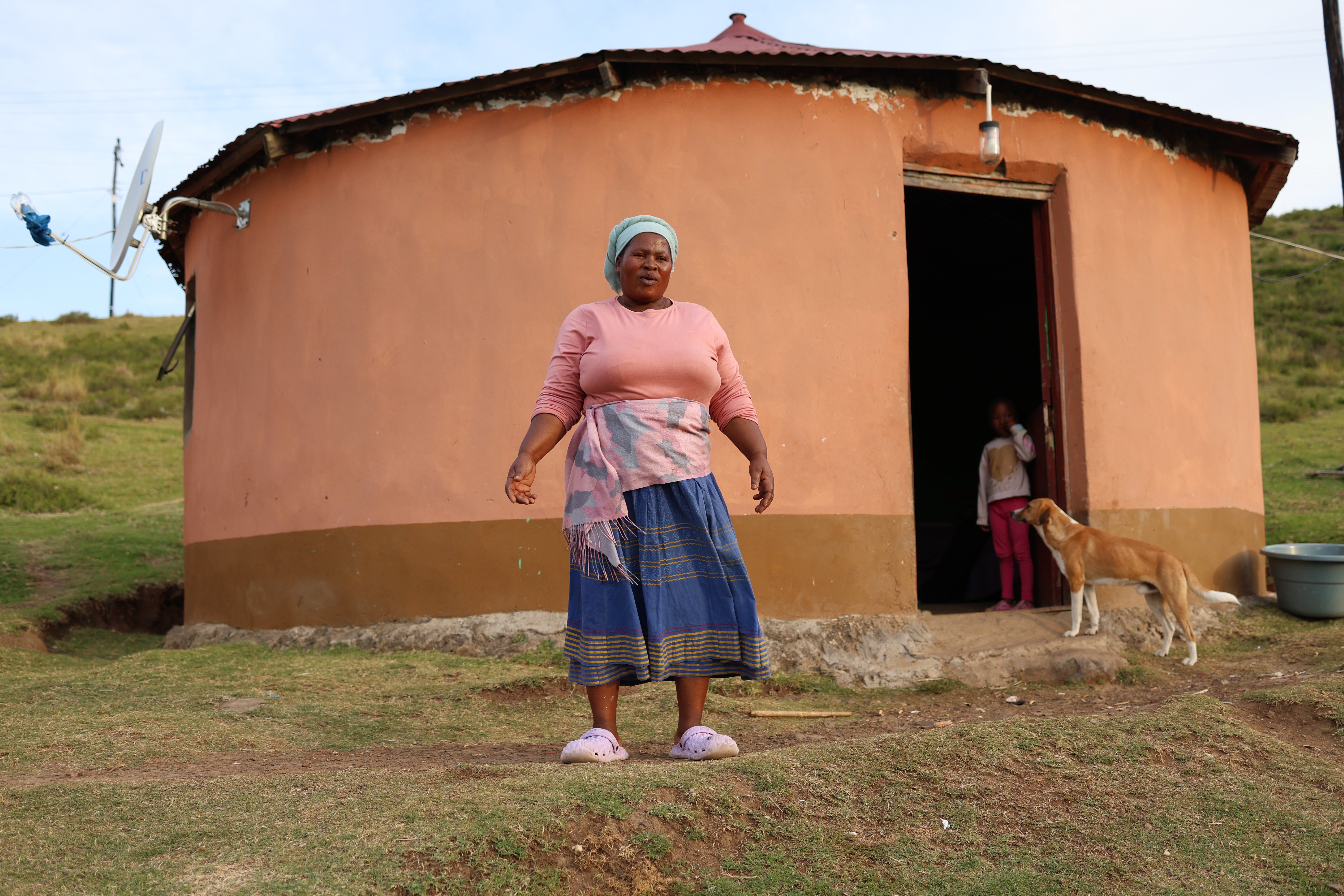
In the remote, rural regions of Elliotdale, Eastern Cape, the Nosintu Gwebindlala Foundation is combating generational statelessness by ‘walking the journey’ of securing IDs and birth certificates with residents.
In the remote, rural regions of Elliotdale, Eastern Cape, the Nosintu Gwebindlala Foundation is combating generational statelessness by ‘walking the journey’ of securing IDs and birth certificates with residents.
Enter your email below and we'll send you a one-time pin to log in.
In the deep rural regions of Elliotdale in the Eastern Cape, the struggle for basic documentation can span generations. Without birth certificates and identity documents (IDs), grandparents and young children alike are entirely cut off from the state’s social welfare safety net.
On a mission to bridge this gap for stateless residents is Nosintu Gwebindlala, the founder of the Nosintu Gwebindlala Foundation. The wife of Chief Vuyani Zwelikhanyile Gwebindlala — senior traditional leader of the Jalamba Traditional Council — she leverages her community ties to tackle the crisis, having learned to treat every complex case she takes on as unique.
Her role in traditional leadership means she has long served as a problem-solver for the local people, but when she launched her foundation in 2022, she soon realised that one of its main focus areas needed to be the large number of undocumented community members in the area.
“People think that documents are … accessible to all, and from a rural perspective, there are many different issues that lead to people being undocumented,” explained Gwebindlala.
“In some cases it’s historical, generational — a case of the generation before, or two or three generations, never having the documentation — and, unfortunately, those [family members] are no longer there. They’ve all passed on … but the child is here, living.”
The foundation is based in the Xhora Mouth Administrative Area, which encompasses a collection of villages on a remote stretch of the Wild Coast. However, the organisation assists people across Elliotdale and runs a virtual advice office for people seeking help further afield.
Gwebindlala estimated that they worked on 500 cases of undocumented residents per year, with a success rate of close to 80%.
The Births and Deaths Registration Act requires children to be registered within 30 days of birth. Once this period has elapsed, caregivers seeking birth certificates must go through a more complex late registration of birth process.
A mother cannot register the birth of her child without a valid ID of her own, which is a serious challenge in families where members across multiple generations are undocumented. This is just one of many reasons why people living in the rural areas might miss the 30-day window by a wide margin.
As the
📌 Kaynak
Bu özet Daily Maverick (ZA) kaynağından otomatik derlenmiştir. Tamamı için orijinal habere gidin.
Orijinal haberi oku →