Regulatory Failure: Weak enforcement drives mercury use among Zimbabwe’s artisanal miners
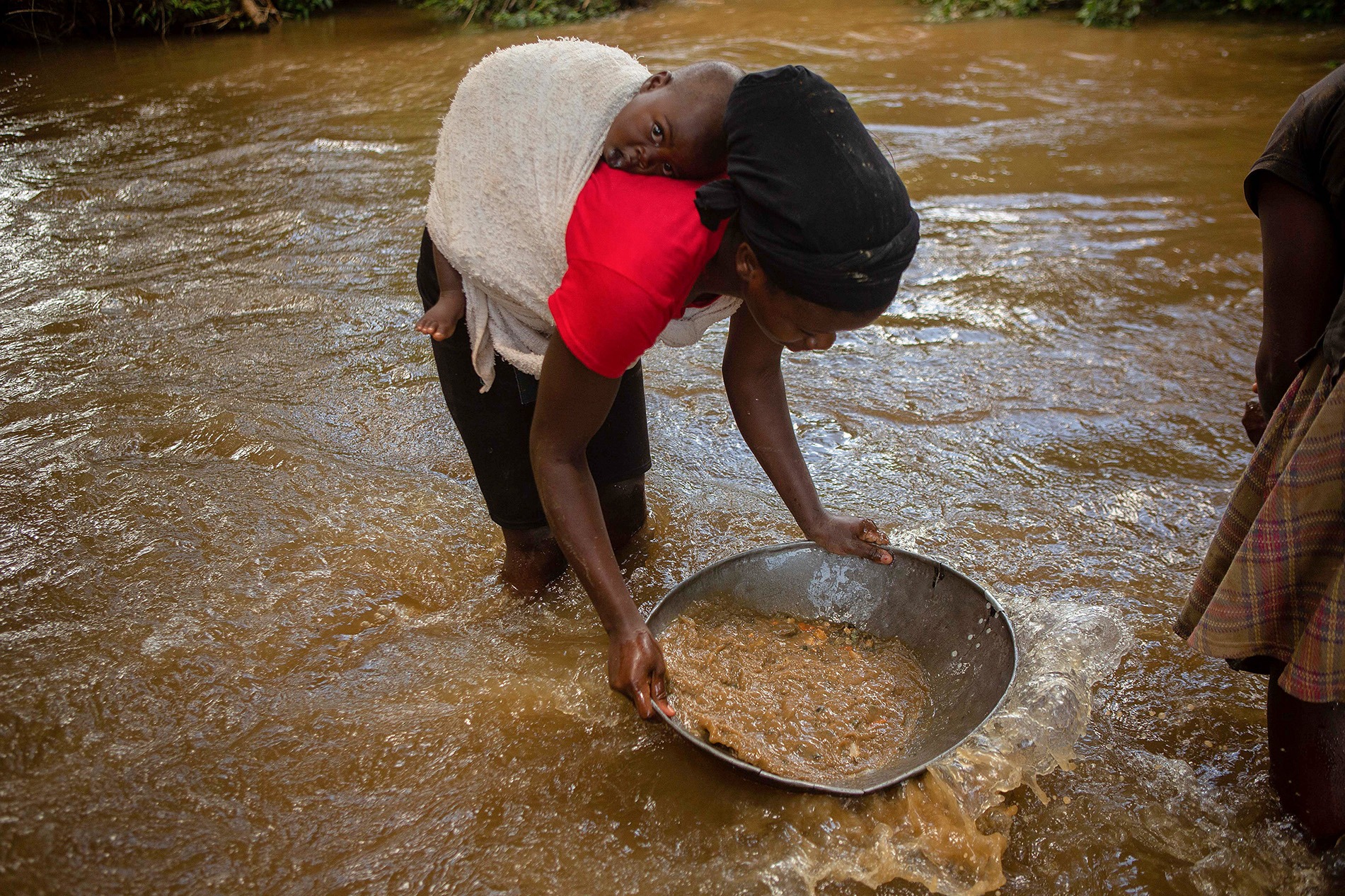
Zimbabwe’s formal commitment to reduce mercury use under the Minamata Convention stands in sharp contrast to the reality on the ground. In mining areas, mercury is openly sold and used without restriction, contaminating water sources that supply thousands of people.
Zimbabwe’s formal commitment to reduce mercury use under the Minamata Convention stands in sharp contrast to the reality on the ground. In mining areas, mercury is openly sold and used without restriction, contaminating water sources that supply thousands of people.
Despite the government of Zimbabwe’s on-paper commitment to reduce and regulate the use of mercury in mining, the toxic metal remains pervasive and unfettered in the country’s artisanal gold mining sector.
The objective of the convention is to protect human health and the environment from anthropogenic emissions of mercury and mercury compounds. It sets out a range of measures to meet that objective. These measures include controlling the supply and trade of mercury and the regulation of mercury-added products and manufacturing processes. It also commits signatories to reducing, and where feasible eliminating, mercury use in artisanal and small-scale gold mining.
But Zimbabwe’s conformity to the Minamata Convention – while good on paper – seems to be far off the mark, if observations on the ground are anything to go by.
In Penhalonga, a mining area 20km from Zimbabwe’s eastern border city of Mutare, small blue tents are haphazardly strewn across hills opposite a strip of shops.
Men and women of all ages make a beeline to and from the shops. Their bodies, clothes and faces are covered in red clay; often it is only their eyes and mouths that break through the mud.
These are artisanal, small scale miners. At the row of shops they meet vendors who sell all they need: foodstuffs, clothing, shoes, beer and deodorants. Know who to ask, and mercury can also easily be bought by at these shops. It is sold discreetly by vendors who want to cash in downstream from the gold boom that is happening in their midst.
The hills adorned with the blue tents house Redwing Mine, which has opened up to artisanal miners for a fee and for a commission from each miner’s takings.
A muddied and polluted Mutare river runs adjacent to the hills, and scores of illegal alluvial miners are also scouring for gold.
But there is more than meets the eye at the riverbanks. Soaked knee-deep in the river and without protective clothing, the men and women with plastic dishes filled with mercury sieve for gold. The river feeds into the sole water source for Mutare City, home to 225,000 residents, according to the latest census.
“This is the easiest and cheapest way we can get the gold,” said one artisanal miner in the river. He asked for anonymity, because he was using mercury illegally.
“I do not know about the dangers (of
📌 Kaynak
Bu özet Daily Maverick (ZA) kaynağından otomatik derlenmiştir. Tamamı için orijinal habere gidin.
Orijinal haberi oku →