Claude AI: What's free in 2026 and what isn't?
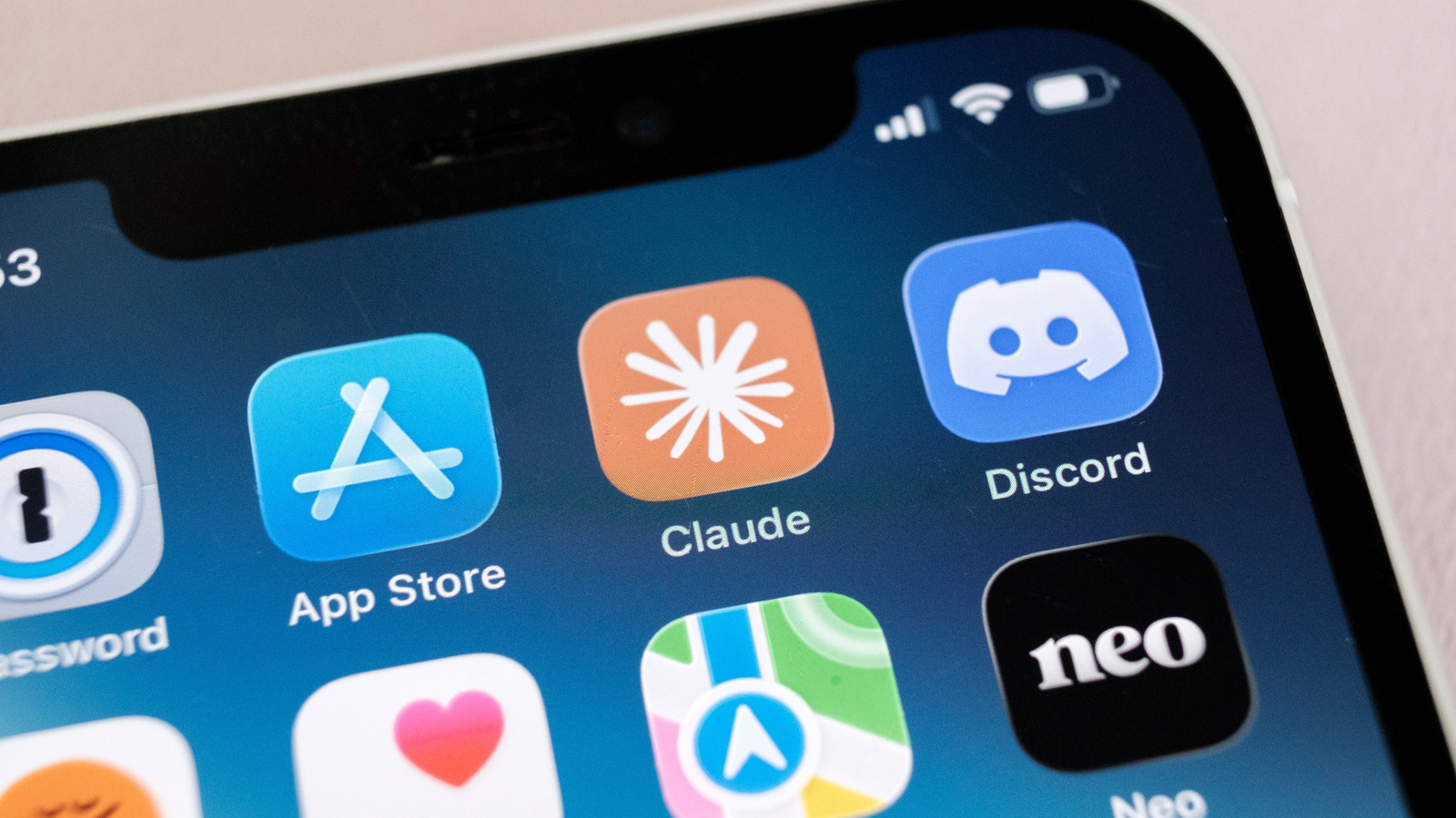
Making sense of what you get from Claude AI at the free tier, especially as limits are vague and keep shifting.
If you're new to Claude, the chatbot's usage limits can feel ill-defined. Part of the problem here is that every prompt comes with a unique compute cost, but Anthropic's own website is also frustratingly vague on how much you can use Claude before you need to take a break. While I can't give exact numbers, this article will give you a better idea of what limitations the company imposes on free accounts.
Anthropic, like most AI companies, doesn't publish exact rate limits, but it does provide some clues to guide users. Notably, the company says its limits are structured around a rolling five-hour window that starts when you first prompt Claude. This window does not reset at midnight, meaning you can't game the system by putting in a bunch of prompts before the end of the day. Anthropic also notes "the number of messages you can send will vary based on demand, and we may impose other types of usage limits to ensure fair access to all users." Other factors that can influence daily caps include the complexity of your prompts and the size of any attachments you ask Claude to analyze.
Taken together, this means during one five-hour window you might hit your limit after just a few prompts, while in another it might take a dozen or so before Claude warns you. Anthropic's rate limits are a frequent topic of discussion on Reddit, with one user recently complaining of blowing past their five-hour limit after a single Claude Code prompt. However, as a rule of thumb, most people should be able to send about 15 to 40 messages to Claude every five hours.
For a more technical explanation, Claude, like all large language models, uses "tokens" to generate answers. Think of tokens as the operating currency of current AI systems. When you type a question into Claude's prompt bar, it converts words, groups of characters and punctuation, through a process known as tokenization, into numbers that map to different patterns and relationships that Anthropic's models learned during their training process. Those models then consume tokens to provide answers.
Therefore, longer, more involved questions not only use more of that currency upfront, but they also incur a greater cost when a model tries to answer them. That's why Claude's usage limits can feel like a moving target: every question has its own unique compute cost. It's also for that reason that Anthropic recommends you keep your prompts concise and clear. And please, don't waste tokens thanking Claude for its hard work.
Separately, Anthropic also enforces length limits, which relate to Claude's context window or the am
📌 Kaynak
Bu özet Engadget kaynağından otomatik derlenmiştir. Tamamı için orijinal habere gidin.
Orijinal haberi oku →