SPOTLIGHT: Unpacking the HIV jab that could dramatically reduce new infections
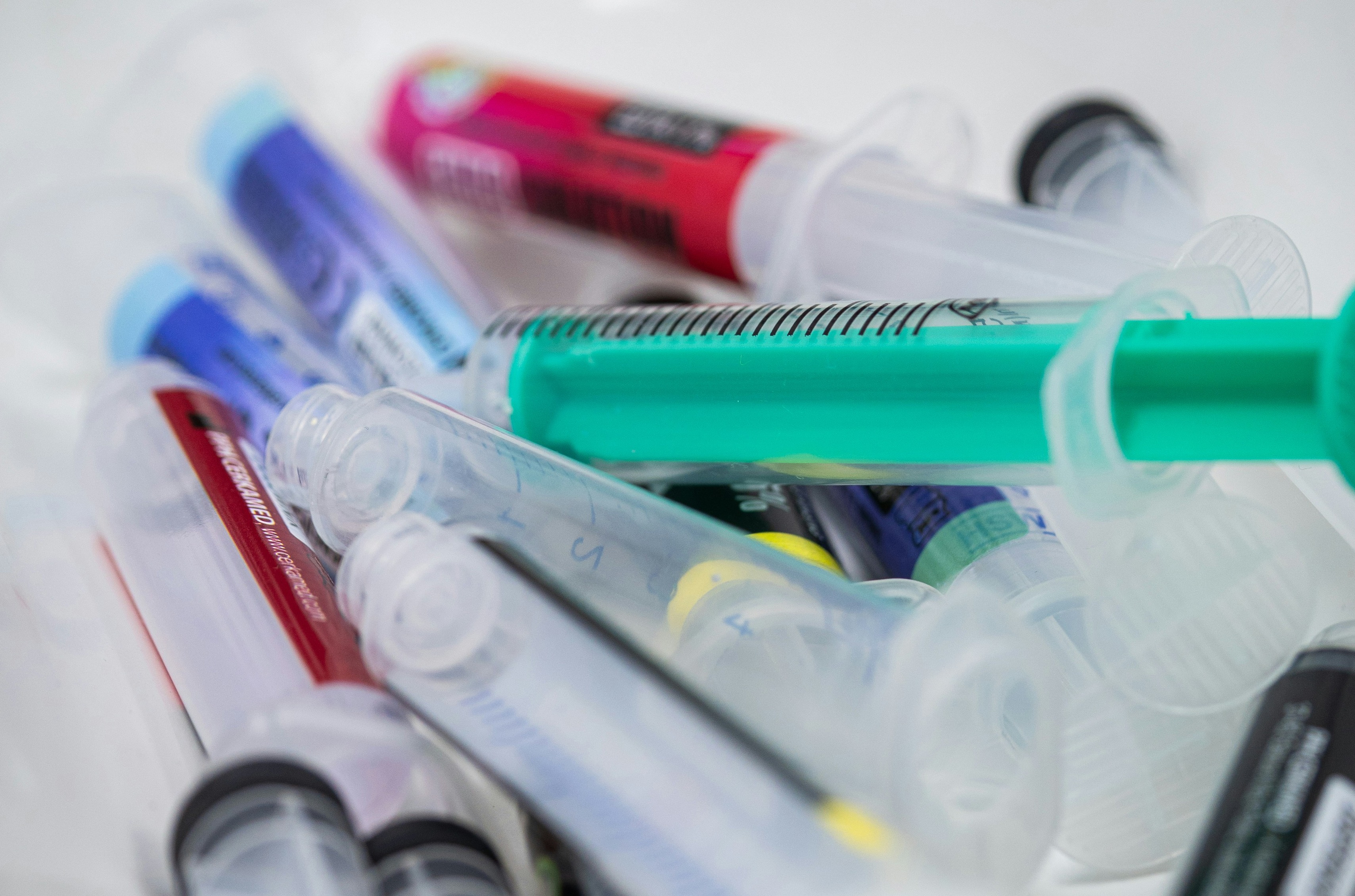
On 5 June 2026, an HIV prevention injection will for the first time become available at some of South Africa’s public sector clinics. In this Spotlight special briefing, we pull together all you need to know about this ‘breakthrough’ jab.
On 5 June 2026, an HIV prevention injection will for the first time become available at some of South Africa’s public sector clinics. In this Spotlight special briefing, we pull together all you need to know about this ‘breakthrough’ jab.
We’ve come a long way from the worst days of South Africa’s HIV epidemic, but the virus still claims more than 50,000 lives per year and, even in 2026, annual new infections remain stubbornly high at more than 140,000.
Reducing the rate of new infections is not an easy task. The most effective measure is to make as many as possible of the roughly eight million people who are living with the disease non-infectious. The good news is that most people with HIV become non-infectious once they are stable on antiretroviral treatment. The bad news is that the growth of South Africa’s HIV treatment programme has slowed. The pool of infectious people thus seems set to remain relatively large.
For people who are not living with HIV, the most effective form of protection over the years has been the correct use of condoms. Another benefit of condoms is that they protect against other sexually transmitted infections.
But condoms aren’t the only game in town. Voluntary medical male circumcision substantially decreases men’s risk of contracting HIV, and also provides indirect protection for women.
And then there are antiretrovirals (ARVs) to prevent HIV infection. Landmark studies published in the 2010s showed that taking a tablet that contains the antiretroviral medicines tenofovir and emtricitabine could reduce someone’s risk of contracting HIV to near zero. Such tablets are commonly referred to as oral pre-exposure prophylaxis, or oral PrEP. For several years now, these HIV prevention tablets have been widely available in South Africa’s public healthcare system, although uptake has been somewhat muted. Modelling work from Thembisa, the country’s leading mathematical model on HIV and TB, suggests that only a few hundred thousand people are taking the tablets.
One challenge with HIV prevention pills is that not everyone can, or wants to, take them every day. For some, taking ARVs, or being seen to take ARVs, still comes with a dose of stigma. For others, remembering to take a pill every day can be tricky. Ultimately, the incentives for healthy people without HIV to take prevention medicines simply aren’t as compelling and immediate as they are for people who already have the virus in their bodies.
As in some other areas of medicine, one solution to this treatment adherence challenge is simply to make it more convenient to take.
📌 Kaynak
Bu özet Daily Maverick (ZA) kaynağından otomatik derlenmiştir. Tamamı için orijinal habere gidin.
Orijinal haberi oku →