Penfolds pain: Why our top winemaker keeps getting it wrong
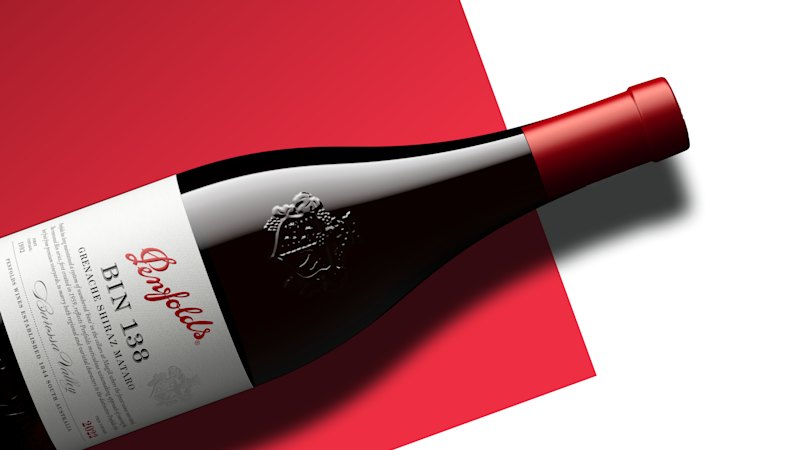
The history of stuff-ups, miscalculations and underachievement at Treasury Wine Estates could fill a book. Now the company has bravely come up with a new master plan.
The history of stuff-ups, miscalculations and underachievement at Penfolds owner Treasury Wine Estates could fill a book. Its capacity to disappoint is legendary.
Now the company has bravely come up with a new master plan, hoping this one will hit the mark.
Treasury Wine has become the corporate equivalent of a widow maker for those who take up the challenge to lead the company. Over the past decade and a half, investors have watched as each new management regime’s plan to restructure, rescue and reshape the business has largely flat-lined.
So June 4, 2026 should be noted in the history books as yet another date for a new strategic vision for the high-profile but accident-prone global winemaker.
History and probability don’t favour the success of the latest plan to simplify Treasury Wine’s portfolio from 76 brands to 30 and potentially sell some or all of its US wineries.
But the sharemarket certainly bought it. After a 22 per cent fall in the company’s market value since the start of the year, Treasury Wine’s share price caught a break and spiked more than 13 per cent on Thursday after the rescue/resuscitation plan was made public by its latest chief executive, Sam Fischer.
The strategic plan certainly contained all those fabulous management consultant buzz words – “reshaping”, “transformation”, “focus”, “sharper focus” and even the catchy “grape to glass”.
That’s a good start for a company that needs more than a renovation, but it’s the execution that will take it from a slide pack to enhanced return on investment, and ultimately dividends.
Fischer set to lay the groundwork for this overhaul soon after he started the job at the back end of last year, when he warned investors that things could get a bit ugly before they got better. He cleared the cupboards, wrote down assets by $650 million in the six months to December 2025 and scrapped dividends, creating a clean slate to start with a fresh overhaul.
But it’s easy to have sympathy for investors who are gun-shy of this company’s strategic overhauls.
The largest and longest problem Treasury Wine has struggled with is its troubled business in the United States. Instead of selling it, previous attempts to fix the problem have involved ploughing $2 billion into buying more US assets over the past five years.
Some of these wineries and brands will now land in the clearance bin, while others at the luxury end will receive a generous expenditure treatment.
Fischer’s underlying plan is to get rid of what the industry calls “commercial” brands, and which consumers would refer to as “plonk”, or the k
📌 Kaynak
Bu özet Sydney Morning Herald kaynağından otomatik derlenmiştir. Tamamı için orijinal habere gidin.
Orijinal haberi oku →