THE CONVERSATION: Ebola may have spread beyond Africa — here’s how health authorities are responding
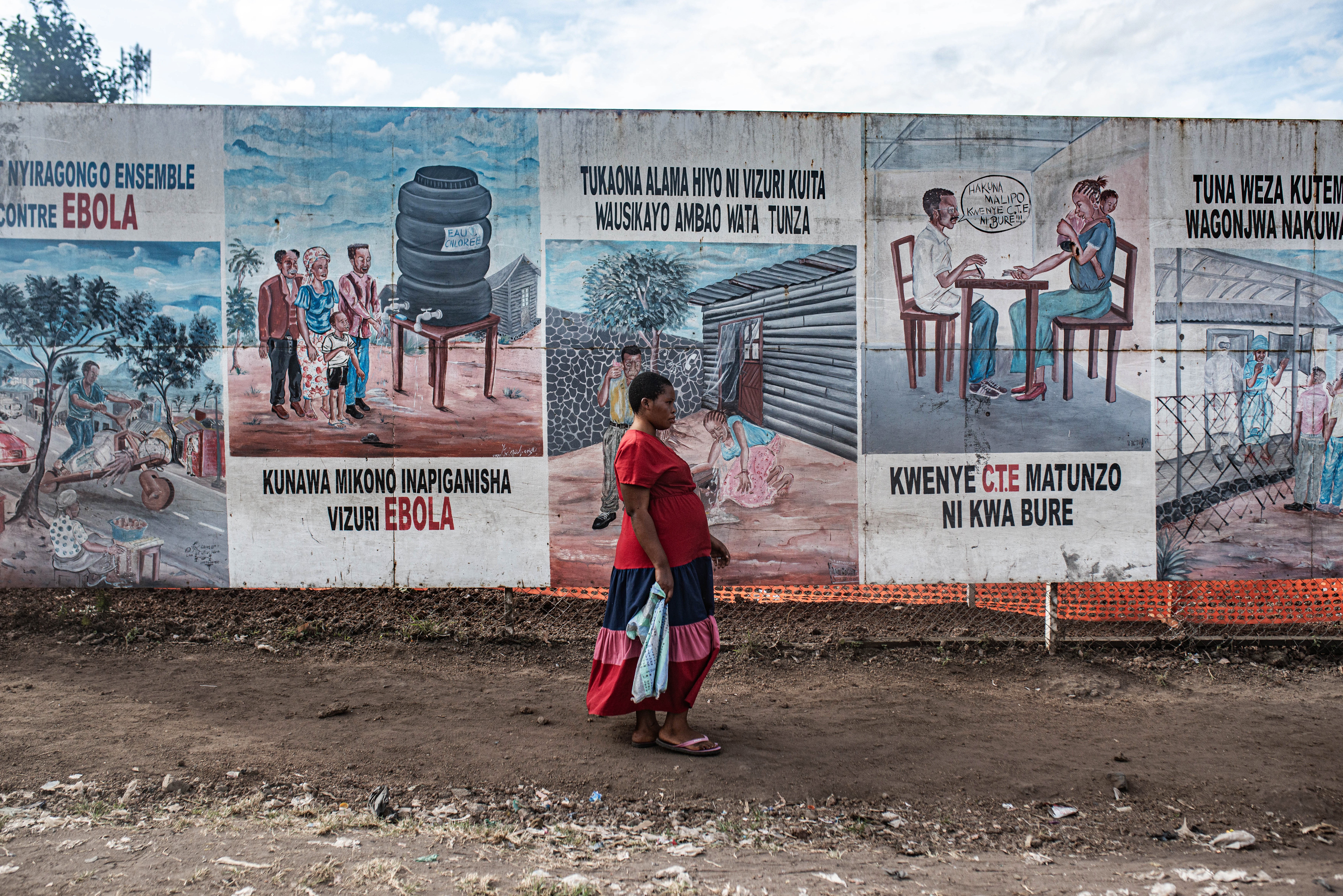
Amid a rapidly spreading Ebola outbreak in the Democratic Republic of Congo, health authorities are investigating suspected cases in Italy and Brazil while speeding up vaccine development to curb the crisis.
Amid a rapidly spreading Ebola outbreak in the Democratic Republic of Congo, health authorities are investigating suspected cases in Italy and Brazil while speeding up vaccine development to curb the crisis.
On 24 April, the first suspected case of the rare Bundibugyo strain of Ebola was detected in the Democratic Republic of Congo (DRC). On 17 May, the World Health Organization declared the outbreak a “Public Health Emergency of International Concern”.
The current Ebola outbreak is the third-largest in world history, with 906 suspected cases and 223 deaths in the DRC alone as of 27 May.
And it may have spread to other continents. Health authorities are now investigating a suspected case in Italy, and two possible cases in Brazil. All three are believed to be travellers returning from either the DRC or Uganda. One American man who tested positive for Ebola is currently being treated in Germany.
As concerns grow, the Coalition for Epidemic Preparedness Innovations has committed more than $8.6-million in funding to fast-track the development of three potential vaccines, targeting the Bundibugyo strain.
But in the meantime, could this outbreak spread further? And how concerned should we be?
Ebola is a rare but potentially fatal virus that mainly spreads through direct contact with the bodily fluids – such as blood, faeces and vomit – of an infected person.
Early symptoms include sore throat, headaches, fever, fatigue and body pain. Severe cases can cause skin rashes, shortness of breath, vomiting, diarrhoea, abdominal pain and seizures.
Ebola was first identified in humans in 1976. Since then, there have been more than 40 outbreaks around the world, with the majority occurring in African countries.
The current outbreak is the third to date to be caused by the rare Bundibugyo strain. The majority of past outbreaks were driven by the more deadly Zaire strain, which kills up to 90% of people compared with up to 34% for Bundibugyo.
The factors driving this latest outbreak also contributed to the devastating west African outbreak of 2014-16, when more than 11,000 people died.
In both outbreaks, the virus had been circulating for months before an outbreak was declared, and initial cases had non-specific symptoms.
Both outbreaks also rapidly spread in urban areas. Transmission in healthcare settings is another common factor.
Political instability and social unrest contributed to both outbreaks too. Most recently in the DRC, crowds set fire to hospital tents, prompting some patients to flee isolation wards.
And certain cultural practices – including t
📌 Kaynak
Bu özet Daily Maverick (ZA) kaynağından otomatik derlenmiştir. Tamamı için orijinal habere gidin.
Orijinal haberi oku →