Drug reform law should not make roads more dangerous
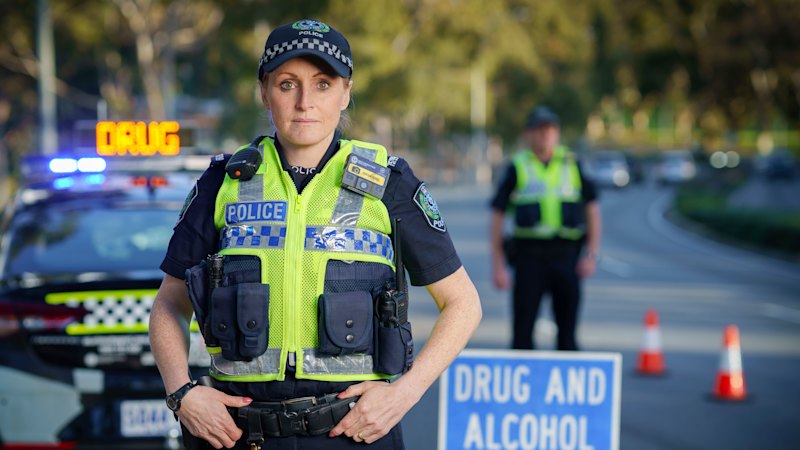
Reform to clarify the position on driving and medically prescribed cannabis is likely to meet road blocks.
The Therapeutic Goods Administration’s approval of medically prescribed cannabis has resulted in huge societal evolution over the past decade.
An estimated one million Australians now use the medicine, about a third of them living in NSW. There are legitimate concerns that some patients are obtaining cannabis prescriptions for recreational purposes, but others are using it in good faith. And many of those have undoubtedly been forced to choose between pain relief and driving because the rules governing roadside drug tests remained stoically unchanged.
Premier Chris Minns has moved to end the Hobson’s choice. He announced major roadside safety reforms offering drivers with lawful cannabis prescriptions a medical defence: if drivers return a positive roadside test for THC — set at the global standard concentration threshold of 50 nanograms per millilitre — they will be banned from driving for 24 hours while their sample is analysed.
Under the scheme, which applies only to people on unrestricted licences with valid cannabis prescriptions who register with Transport for NSW, drivers will receive two warnings if results exceed the maximum threshold. A third detection within two years will trigger a minimum three-month licence suspension and $704 fine.
Minns inherited the disconnect between the legal use of medicinal cannabis and road safety when he won government.
Subsequently, there was growing support at the 2024 drug summit for medicinal cannabis to be treated like any other prescription drug in driving laws, but the premier has been hesitant to pursue reforms until now.
Minns admitted the change was significant for the state, but said the government would approach it carefully “with road safety at the centre of every decision”.
However, the government has encountered two significant pushbacks that suggest it will have difficulties selling its legislation.
The NRMA is not a fan and did not support the reforms. Spokesperson Peter Khoury warned that a quarter of all road deaths involved drugs, and 70 per cent of them involved cannabis. He said issues remained unresolved about the ability to identify the level of driver impairment.
NSW Opposition Leader Kellie Sloane said there was no scientific consensus about what level of THC reliably measured driver impairment and the Coalition would oppose the reforms, saying they were premature and lacked sound evidence. “A child injured or killed as a result of the actions of a drug driver does not get three chances,” she said.
Sloane is right. Despite the three-strike system proposal to finesse a controversi
📌 Kaynak
Bu özet Sydney Morning Herald kaynağından otomatik derlenmiştir. Tamamı için orijinal habere gidin.
Orijinal haberi oku →