HEALTHCARE: Grounded: how broken roads and broken promises keep Xhora Mouth waiting for ambulances
While a high court order has mandated the deployment of two ambulances to the remote Xhora Mouth area in Elliotdale, Eastern Cape, poor road infrastructure and stalled clinic construction could undermine the sustainability of the service. In the meantime, people rely on local nonprofit initiatives, such as home-based carers, to fill the critical gaps in primary healthcare.
While a high court order has mandated the deployment of two ambulances to the remote Xhora Mouth area in Elliotdale, Eastern Cape, poor road infrastructure and stalled clinic construction could undermine the sustainability of the service. In the meantime, people rely on local nonprofit initiatives, such as home-based carers, to fill the critical gaps in primary healthcare.
Enter your email below and we'll send you a one-time pin to log in.
The battle for emergency medical services (EMS) has a long history in the deep rural community of the Xhora Mouth Administrative Area in Elliotdale, Eastern Cape.
In March 2026, residents won a significant victory when the South African Human Rights Commission (SAHRC) secured an order from the provincial division of the high court in Bisho compelling the Eastern Cape government to provide two fully equipped and staffed ambulances to the region within six months.
Now, the question has become how to ensure that the provision of these ambulance services is effective and sustainable.
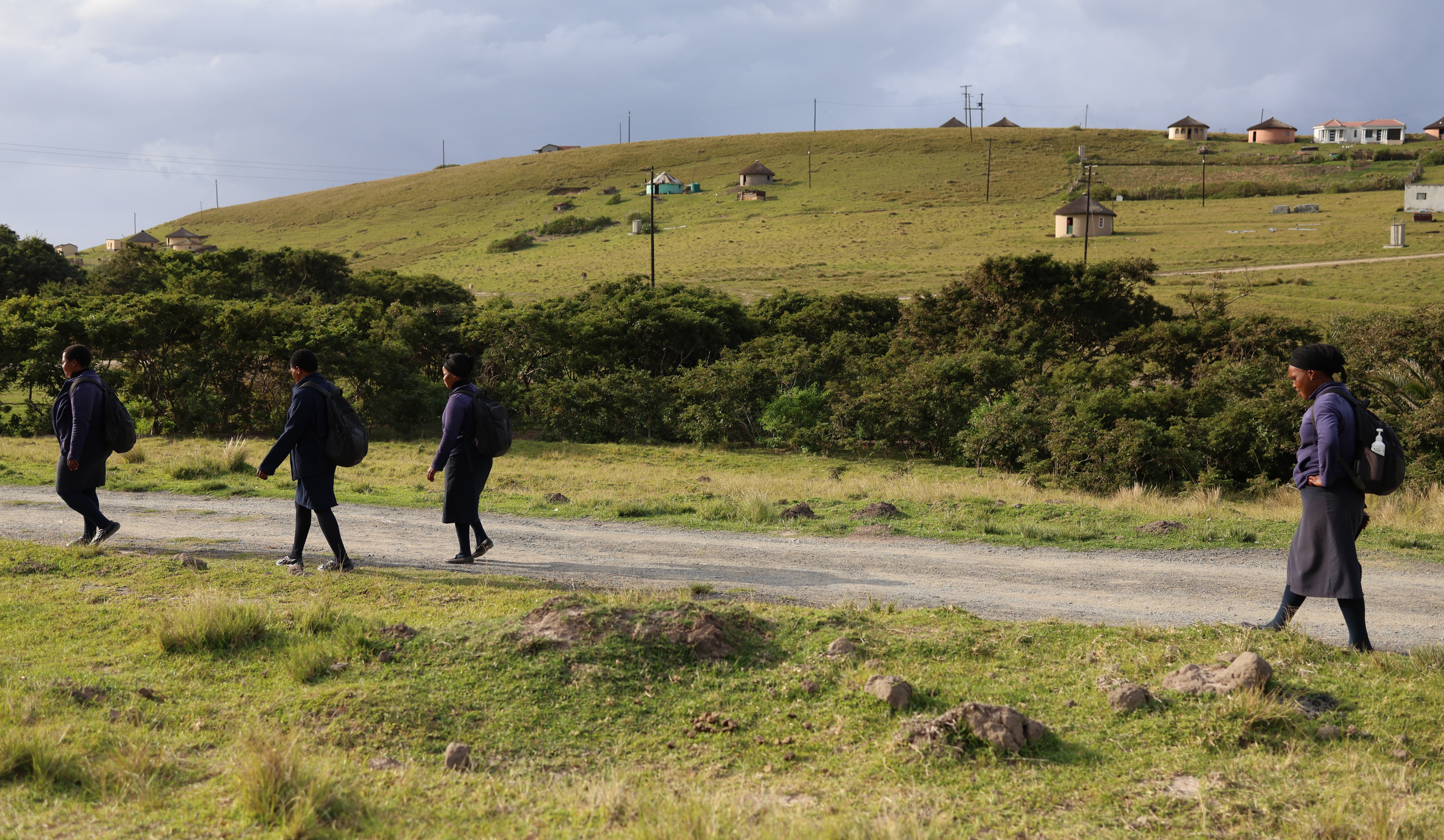
The Xhora Mouth area is made up of four villages dispersed across rolling hills on a remote stretch of the Wild Coast. Very few residents own cars, largely relying on a limited number of taxis that come through the villages in the early mornings and late evenings to reach the surrounding areas. The roaming network of dirt roads connecting them to other communities is known to be hard on vehicles, especially after storms and heavy rains.
People needing to access the nearest local government clinic or hospital have two options. They can walk down to the Xhora River that runs alongside the villages, pay R10 for passage across on a rowing boat, and then travel on foot to the Nkanya Clinic in KwaMhlothe – a journey of about two hours. Or they can organise a private taxi at a cost of more than R1,000 to take them on the 90-minute trip via road to Madwaleni Hospital.
There are no emergency medical services in the area. Speaking to Bongezwa Sontundu, the health programme manager at the Bulungula Incubator, during a visit to Xhora Mouth in late May, Daily Maverick was told that ambulance deployments to the local villages remained a rare occurrence, with waiting times of about five hours when the services were called.
The nonprofit organisation, which is based in the community, has a fund to hire a taxi for transport to the hospital in urgent cases.
In a report issued by the Eastern Cape Department of Health detailing progress on providing the court-mandated emergency services, dated 20 March 2026, it noted that it had recruited 16 emergency ca
📌 Kaynak
Bu özet Daily Maverick (ZA) kaynağından otomatik derlenmiştir. Tamamı için orijinal habere gidin.
Orijinal haberi oku →