HIGHLANDS TREASURE: Dozens of new species found in one of Africa’s last biodiversity blank spots
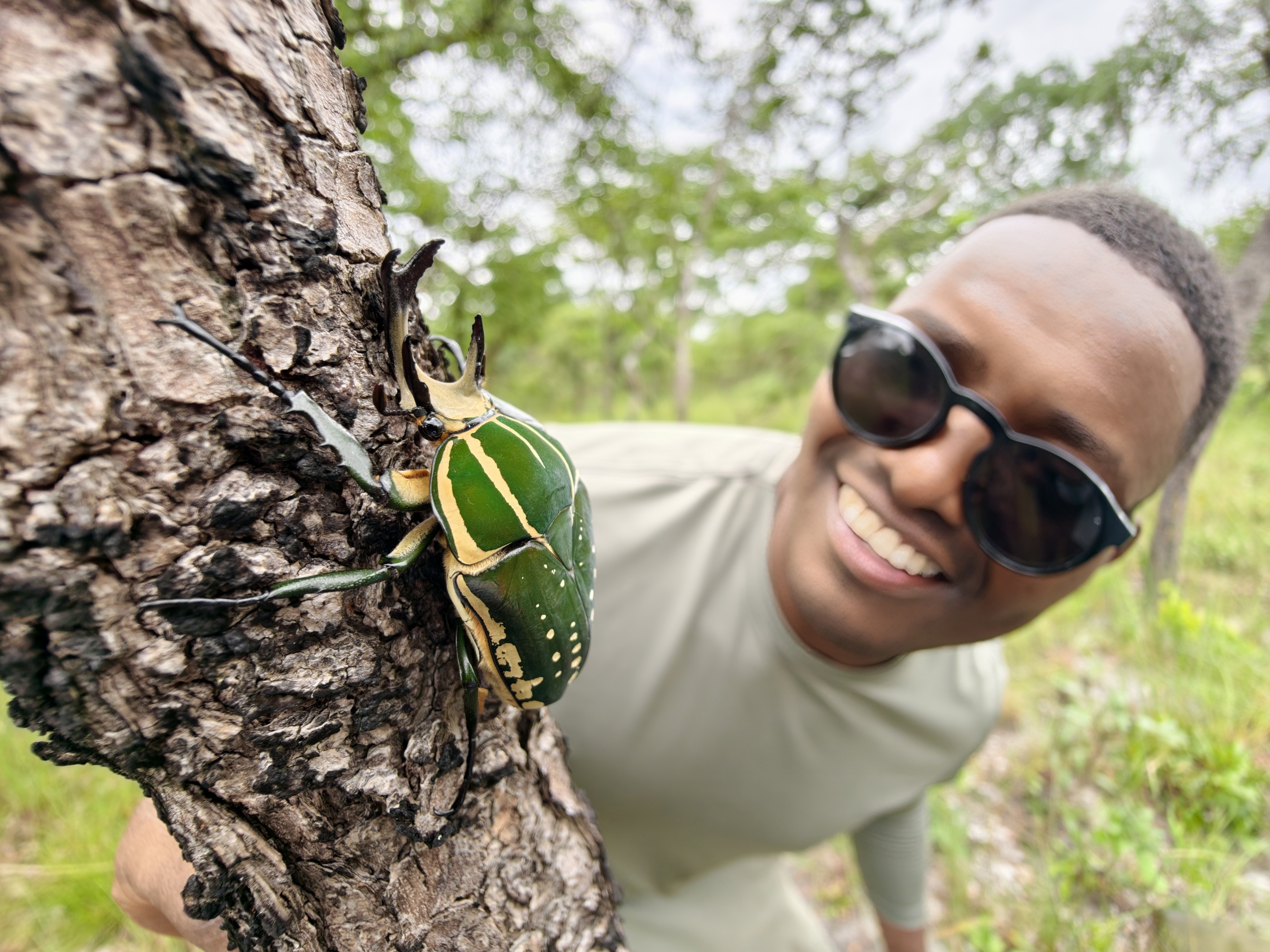
A major survey of Angola’s remote Lisima plateau has uncovered species unknown to science, including new dragonflies, grasshoppers, moths and butterflies, confirming the highlands as one of Africa’s most exciting biodiversity frontiers.
A major survey of Angola’s remote Lisima plateau has uncovered species unknown to science, including new dragonflies, grasshoppers, moths and butterflies, confirming the highlands as one of Africa’s most exciting biodiversity frontiers.
Enter your email below and we'll send you a one-time pin to log in.
High on Angola’s eastern plateau, in Moxico Province, lies one of Africa’s great almost-unknown treasures: the Angolan Highlands Water Tower.
It’s a vast upland landscape of miombo woodlands, wetlands, grasslands, sandy soils and source lakes, where water begins journeys that shape life across much of southern and central Africa.
From here, rivers flow into the Congo, Okavango, Zambezi and Cuanza systems, sustaining ecosystems and communities thousands of kilometres downstream, including Botswana’s legendary Okavango Delta.
For a place so important, it has remained astonishingly little known. Angola’s long civil war, persistent landmines, remoteness and difficult access kept scientists away for decades.
While the Okavango Delta became a global conservation icon, many of the highland headwaters that feed it stayed almost blank on the biological map.
In February 2026, a team of 16 African and international specialists travelled to the remote Lisima plateau for the Cassai Life Atlas, a biodiversity survey conducted by The Wilderness Project. Supported by Fundação Lisima and The HALO Trust, the expedition set out to document life in the upper Cassai catchment, one of the least-studied parts of the Angolan Highlands Water Tower.
“Being on the ground in a place like this, with a team of specialists working across so many groups of life, is both a privilege and a thrill,” said Rob Taylor, expedition leader and conservation ecologist.
“These headwaters are not only vital for biodiversity; they also provide water, ecological resilience and support livelihoods far downstream. A clear understanding of the biodiversity here is essential for the effective protection of the entire system.”
What they found was extraordinary: dozens of species unknown to science, including eight undescribed dragonfly species, three new grasshopper species and about 60 moths and butterflies thought to be new to science.
The team also recorded important findings across frogs, reptiles, bats, plants, beetles, spiders and scorpions, with some specimens still awaiting detailed laboratory study.
The result is not just a list of curious creatures. It’s a first proper glimpse into a region that may be one of Africa’s most important freshwater and biodiversity frontiers.
The dragonfl
📌 Kaynak
Bu özet Daily Maverick (ZA) kaynağından otomatik derlenmiştir. Tamamı için orijinal habere gidin.
Orijinal haberi oku →