What to know about Trump's sweeping new tariff proposal
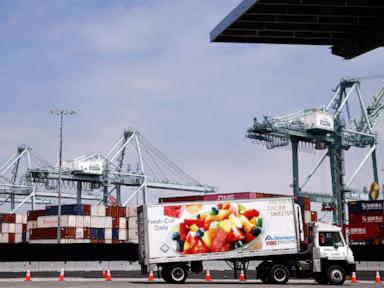
The measure could slap tariffs on 60 U.S. trade partners.
The Trump administration proposed sweeping new tariffs on scores of countries this week, including top U.S. trade partners like Canada and China.
The move marks President Donald Trump's latest effort to reconstruct far-reaching levies struck down by the Supreme Court earlier this year.
The new slate of tariffs would impose taxes on an array of imported consumer goods, threatening to raise prices at a time when inflation is surging as a result of the war in Iran.
Here's what to know about the proposed tariffs and what they could mean for your wallet:
The Office of the U.S. Trade Representative (USTR) on Tuesday proposed levies of at least 10% on 60 trade partners, spanning from Costa Rica to Saudi Arabia to the European Union.
The measure would target countries over their alleged failure to prevent the import of goods produced by forced labor. Such labor arrangements, the USTR said, allow the nations to slash costs and attain an unfair competitive advantage against U.S. laborers.
Under the measure, 54 countries, including India and Brazil, would face a 12.5% tariff due to their alleged inability to prohibit the import of products made with forced labor. An additional six countries, including Canada and Mexico, would be slapped with a 10% tariff over their alleged failure to adequately enforce such prohibitions.
The finding of wrongdoing follows an investigation initiated by the Trump administration in March under Section 301 of the Trade Act of 1974, the USTR said. That measure allows the executive to invoke temporary tariff authority in response to an adverse trade policy taken up by another country.
"The failure of our most important trading partners to address the importation of goods made with forced labor is unacceptable. This creates a dynamic where American workers are forced to compete globally on an unlevel playing field," U.S. Trade Representative Jamieson Greer said in a statement.
The proposal would raise the level of overall levies, though it would remain below the heights attained prior to the Supreme Court's ruling against Trump in February, Jason Miller, a professor of supply-chain management at Michigan State University, told ABC News.
As of last week, the administration had issued roughly $20 billion in refunds on those tariffs, according to a court filing.
Trading partners affected by the potential round of tariffs account for about 99% of all U.S. imports, but a series of exemptions would significantly ease the measure's impact, investment bank Macquarie said on Thursday in a report shared with ABC News.
The proposed tariff
📌 Kaynak
Bu özet abcnews kaynağından otomatik derlenmiştir. Tamamı için orijinal habere gidin.
Orijinal haberi oku →