Race for rare earths at Myanmar’s borders fuels pollution fears
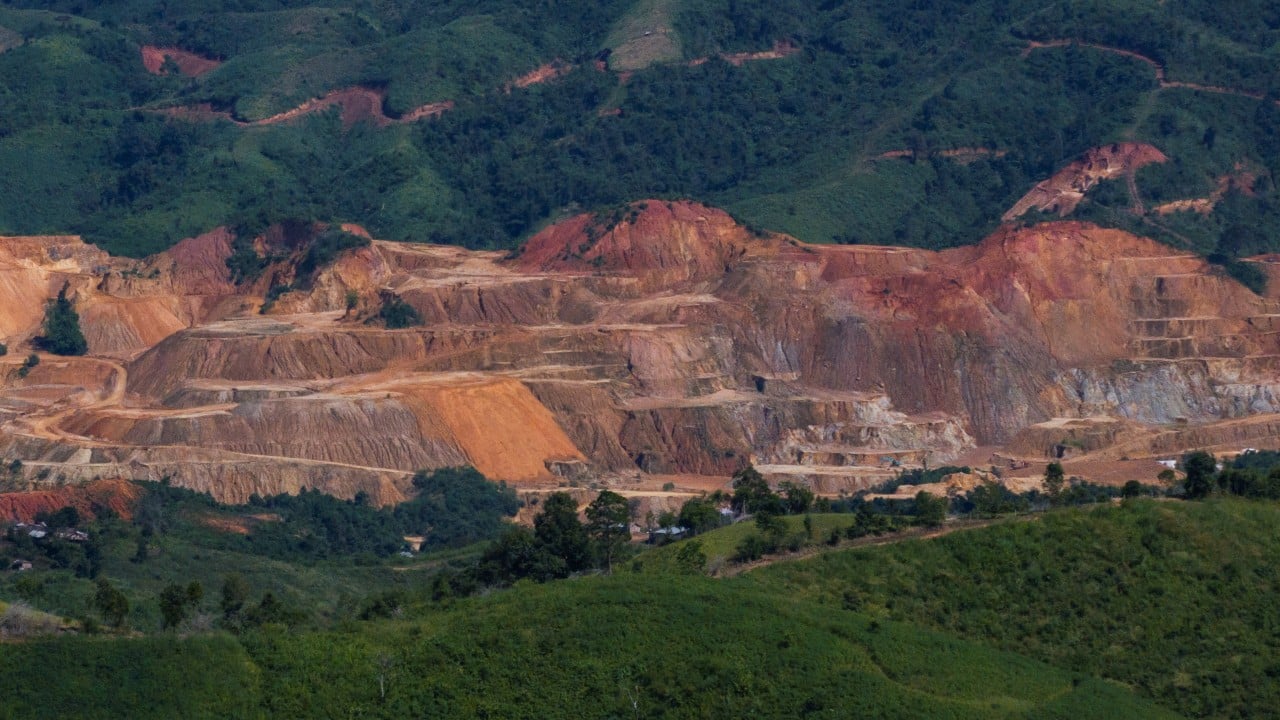
A race to dig rare earths and metals in the mineral-rich mountains of eastern Myanmar is polluting waterways that millions of people living downstream depend on after a new tungsten mine reportedly began operations near the Thai border, according to environmental groups. Myanmar is among the top three producing nations of rare earths and other critical minerals used to make magnets and other components that power products ranging from smartphones to electric vehicles, with mo
Russian and Chinese firms are also competing to be the first to reach a tungsten mine in a conflict zone, sparking concerns of NGOs
Myanmar is among the top three producing nations of rare earths and other critical minerals used to make magnets and other components that power products ranging from smartphones to electric vehicles, with most of its output exported to neighbouring China, where it is refined.
Rare earths and metals such as tin, copper and tungsten are buried in remote hills of Shan state, an area where control is split between Myanmar’s junta, powerful ethnic armed groups and warlords who dominate the so-called Golden Triangle, where the country’s borders are shared with China, Laos and Thailand.
A report from the Stimson Centre, a US think tank, released last year found that 75 mines had appeared in Myanmar and Laos between 2015 and 2025, principally for rare earth mining, which often creates vast volumes of toxic waste.
Such mines are believed to use ‘in-situ leaching’, a process that pumps chemicals into the ground to dissolve minerals for extraction, requiring less digging but creating a toxic run-off that pollutes waterways with heavy metals.
Environmental groups in Myanmar and Thailand say the last two years have seen a surge in toxic pollution near the headwaters of the Salween River in Myanmar, running downstream into the Sai River and Kok River in Thailand.
📌 Kaynak
Bu özet SCMP China kaynağından otomatik derlenmiştir. Tamamı için orijinal habere gidin.
Orijinal haberi oku →