Let’s talk about Australia’s baby bust
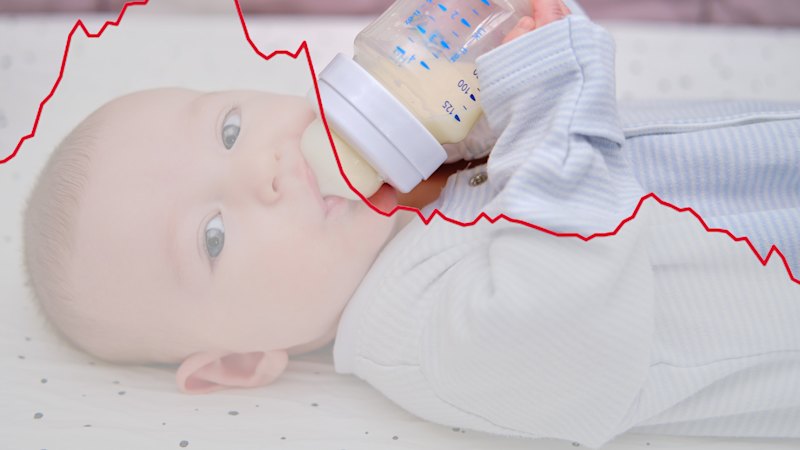
Australia’s record low birth rate has significant implications for the nation. If we want young people to have more children, we need to consider how to help them out.
When I walked out of hospital with my firstborn, the feeling I remember most vividly is incredulity. In a world in which you need a permit to go fishing or trim a big tree, I was being sent home to nurture a tiny human, equipped with a handful of paperwork and a wave from the nurse. I wouldn’t be allowed to operate heavy machinery in my exhausted state, and yet this beautiful little creature relied upon me to survive. How was this allowed?
The other feeling was terror. You walk into hospital as an adult with full agency, and depart with monumental responsibilities on your shoulders. There are the ones you expect – feeding, keeping them safe – and the ones you don’t. Cutting a newborn’s fingernails feels like keyhole surgery. These turn into bigger challenges: finding the money for exorbitant childcare fees, paying skyrocketing housing costs, juggling care with the work required to pay for it all. One can love one’s children to the moon and back, and still be daunted by the challenges of parenthood.
Which is among the reasons why Australians are having fewer children. As our fertility series reports, the expected rate of births per Australian woman has fallen to a record low of 1.48. It’s an important issue to explore as the immigration debate takes off because a birth rate of 2.1 is required if we are to replace the population without migration. As Matt Wade points out in this piece, lower fertility means fewer workers entering the labour force over time, with consequences for the tax base needed to support an ageing population.
Our exclusive Resolve Political Monitor polling found potential parents are being put off by the cost of raising children, housing affordability and worries about the world’s future. Big families are becoming rarer, and single-child families are becoming more common.
Of course, there are myriad reasons why women don’t have children. Some wanted them desperately, but circumstances got in the way – medical issues, the financial hurdles of IVF, or the complications of life and timing. In a piece in Good Weekend magazine, writer Katrina Strickland tells the story of those who found themselves childless, often as “the result of not one big decision but dozens of little ones, from how they responded to their own family dynamics, to the cultural conversation happening as they came of age, to the partners they rejected and those who rejected them”.
It is a beautiful, personal piece that touches on Katrina’s own yearning for a baby. I particularly loved her recollection of a conversation with Barbara Tucker, the widow of the late art
📌 Kaynak
Bu özet Sydney Morning Herald kaynağından otomatik derlenmiştir. Tamamı için orijinal habere gidin.
Orijinal haberi oku →