How Malaysia’s Langkawi became a paradise for smugglers
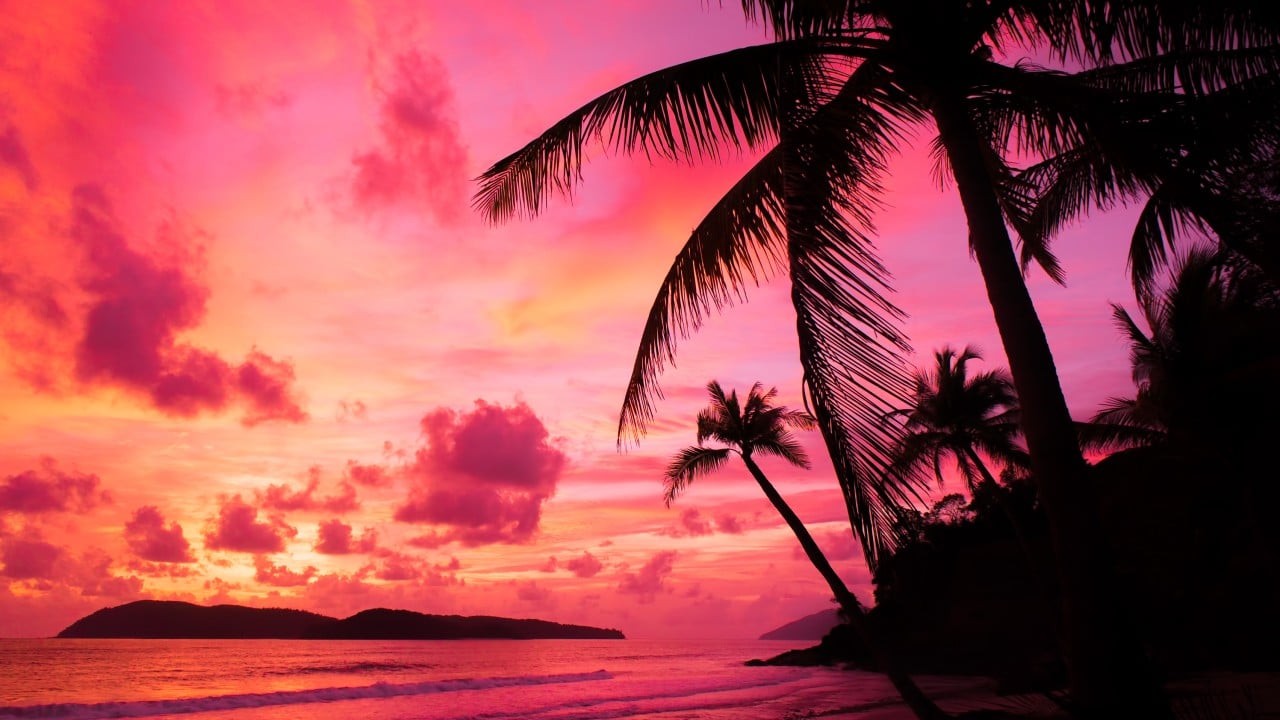
Waves break along Cenang Beach as the sun drops over the Andaman Sea, washing Langkawi’s white sand in gold. Tourists sip fresh coconuts beneath rows of bright umbrellas, gazing out at the “Jewel of Kedah”: a duty-free archipelago long sold as one of Malaysia’s premier tropical escapes. Out on the water, meanwhile, small boats traverse the 8km (five miles) of open water that separates Langkawi from Thailand’s Koh Tarutao. On fast boats, the crossing takes a matter of minutes.
Traffickers exploit Langkawi’s scattered geography and proximity to Thailand to smuggle drugs, fuel and migrants
Langkawi, an archipelago comprising one main island and around 98 others filled with secluded coves and mangrove-fringed coastlines, has been a tourist magnet for years. But that same seductive geography also makes it a haven for smugglers.
“The sea has become an alternative route for criminals to smuggle illegal migrants, contraband and other items that violate Malaysian law,” First Admiral Romli Mustafa told This Week in Asia aboard the KM Tenggol, one of a number of coastguard vessels patrolling these waters.
Romli heads maritime enforcement for Kedah and Perlis, the two states whose coastlines bear the brunt of maritime smuggling in northern Malaysia.
“The biggest challenge is fast boats moving in the dark,” he said. “Without any information, the chances of us intercepting them are very slim.”
Officials from the Malaysian Maritime Enforcement Agency (MMEA), the Southeast Asian nation’s coastguard, have intercepted methamphetamine and cannabis moving south from Thailand into Malaysia.
Kratom and illegal vapes have been detected heading north in the opposite direction, while subsidised Malaysian petrol, up to 2 ringgit (50 US cents) per litre cheaper than across the border, is loaded onto small vessels in large volumes.
📌 Kaynak
Bu özet SCMP China kaynağından otomatik derlenmiştir. Tamamı için orijinal habere gidin.
Orijinal haberi oku →