Брисел отвора долго поглавје, крајот не е јасен
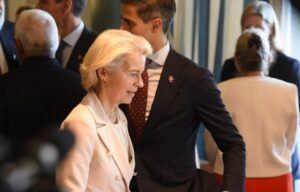
Самитот ЕУ–Западен Балкан во Тиват покажа дека проширувањето на европското семејство повторно е актуелна тема во Брисел. Балканските држави со години слушаа ветувања без јасен рок, но сега во ЕУ се зборува за „моментум“. Иако не може со сигурност да се посочи единствена „намера на Брисел“, бидејќи тој израз е метонимија за сложен европски систем составен од институции, земји- членки и политички актери со различни интереси, реториката на челниците во ЕУ сепак покажува дека про
The recent EU-Western Balkans summit in Tivat has signaled a renewed geopolitical focus on regional enlargement, moving beyond years of vague promises. EU leadership, including Ursula von der Leyen, is pushing for a more credible and accelerated integration process to counter external influences in the region. To address long-standing bureaucratic stagnation, France and Germany have proposed a model of 'gradual integration.' This approach would allow candidate countries to access specific EU market benefits and programs based on their reform progress, rather than waiting for full membership. By creating these intermediate steps, the EU aims to maintain public support and provide tangible incentives for countries like Montenegro and Albania. Ultimately, the urgency of this shift is largely driven by the ongoing conflict in Ukraine and the strategic need to prevent the Balkans from becoming a contested buffer zone between East and West.
The shift toward a 'gradual integration' model marks a significant strategic pivot in how the EU manages its enlargement policy amid heightened geopolitical tensions.
📌 Kaynak
Bu özet Sloboden Pečat (MK) kaynağından otomatik derlenmiştir. Tamamı için orijinal habere gidin.
Orijinal haberi oku →