THE CONVERSATION: Should I take vitamin D now there’s less sun?
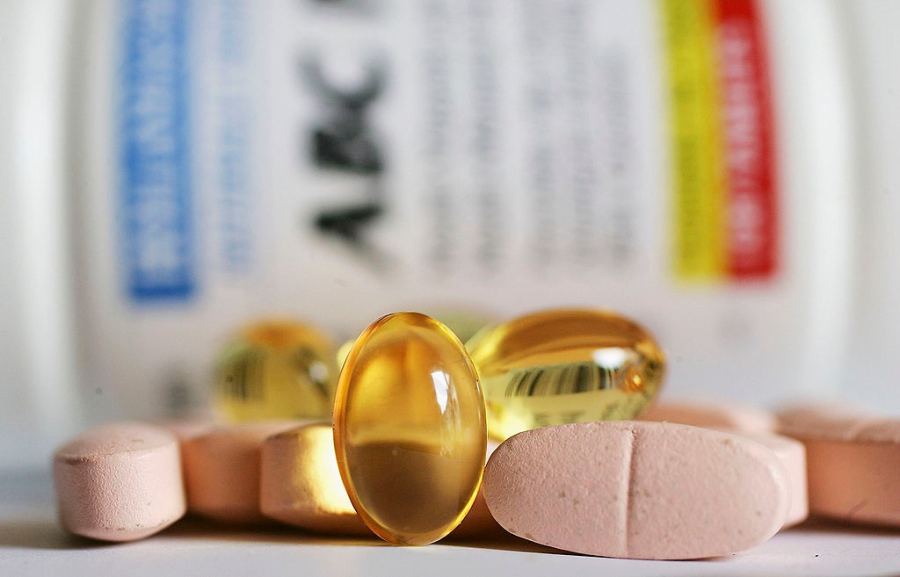
It can be easy to think you get plenty of vitamin D when you live in a country bathed in sunshine, but the reality is more complicated.
It can be easy to think you get plenty of vitamin D when you live in a country bathed in sunshine, but the reality is more complicated.
Vitamin D supplements are now one of the most commonly used complementary medicines. So what is vitamin D? And do you need to take it as a supplement?
Vitamin D is a fat-soluble vitamin that plays a crucial role in maintaining overall health. Unlike most vitamins, it functions more like a hormone in the body, and nearly every cell has a receptor for it.
It exists in several forms, but vitamin D3, also known as cholecalciferol, is the most important. Once in the body, D3 undergoes changes – first in the liver and then in the kidneys – to become its fully active form called calcitriol.
Your body is capable of producing its own vitamin D by converting a cholesterol precursor into it, but that requires exposure to ultraviolet radiation (UVB) on your skin.
You can also get it through diet from a few foods including eggs, oily fish and mushrooms – but it’s unlikely to be as much as you need.
Vitamin D’s best-known role is helping the body use calcium. It promotes the absorption of calcium from the gut, ensuring an adequate level in the blood for building strong bones.
Without sufficient vitamin D, your body can’t absorb calcium effectively, which can lead to bone health problems.
In children, severe deficiency causes rickets, a condition where bones become soft. This leads to delayed growth, bone pain, and skeletal conditions, such as bowed legs.
In adults, deficiency can cause a condition called osteomalacia. This results in bone pain, bone tenderness and a higher risk of fractures.
In the long term, low vitamin D contributes to osteoporosis by reducing bone density and increasing the risk of fractures, especially in older people.
Deficiency is also linked to muscle weakness and cramps, and impaired immune function, which results in a higher susceptibility to respiratory infections.
Insufficient sunlight exposure typically causes vitamin D deficiency.
If you spend all your time indoors, or you work night shifts and sleep during the day, you will get less sunlight exposure and make less vitamin D.
For people living in latitudes with fewer hours of sunlight, they can not only have a vitamin D deficiency, but they may also suffer from a type of depression called seasonal affective disorder which has been linked to low vitamin D.
Melanin, or skin pigmentation, affects vitamin D production. People with darker skin and people with significant skin disorders, such as psoriasis or severe burns and scarring, can also be
📌 Kaynak
Bu özet Daily Maverick (ZA) kaynağından otomatik derlenmiştir. Tamamı için orijinal habere gidin.
Orijinal haberi oku →